
10 Common Questions About Traveling to Morocco: Safety, Culture, Costs, Food and More
Morocco is one of those destinations that creates a lot of curiosity before people visit. Travelers often imagine colorful markets, desert camps, camels, traditional riads and beautiful cities but they also have practical Morocco travel questions.
Is Morocco safe for tourists? Is Morocco only desert? What should women wear? Is Morocco expensive? Can you travel independently? Is Moroccan food spicy? Do people speak English? Is Morocco suitable for families? When is the best time to visit? And why should you work with a local Moroccan DMC?
These are some of the most common questions we hear from travelers and travel professionals at AFC Morocco Travel DMC and Nomadik Morocco.
The reality is that Morocco is a remarkably diverse destination. It combines historic cities, mountains, Atlantic and Mediterranean coastlines, valleys, forests, waterfalls, cultural heritage, rural communities and desert landscapes. The best way to understand Morocco is to go beyond the stereotypes and look at what traveling here is actually like.
1. Is Morocco Safe for Tourists?
Safety is naturally one of the first questions travelers ask before booking a trip.
Morocco welcomes a large international tourism market, but, like any destination, it is important to understand the risks and travel responsibly. Current government travel advisories recommend travelers exercise appropriate caution. For example, the Government of Canada currently advises travelers to exercise a high degree of caution in Morocco due to the threat of terrorism, while also identifying specific higher-risk border regions. (Travel.gc.ca)
The UK government similarly advises travelers to remain aware of their surroundings and notes risks including petty crime, scams and occasional violent crime. (GOV.UK)
For most visitors, practical precautions are more relevant to everyday travel than dramatic scenarios.
Keep your belongings secure in busy medinas and markets, be careful with valuables, avoid isolated areas at night and use reputable transportation and officially authorized guides. Petty theft, pickpocketing and bag-snatching can occur, particularly in busy tourist areas. (GOV.UK)
Travelers heading into remote mountain or desert areas should also use appropriate local support. Canada’s travel advice specifically recommends that travelers do not hike alone in remote mountain regions. (Travel.gc.ca)
At AFC Morocco Travel and Nomadik Morocco, we believe good travel planning is part of responsible travel. That means using experienced drivers, qualified local guides, carefully selected accommodations and reliable local partners.
So, is Morocco safe?
Morocco is a well-established international tourism destination, but no destination can guarantee zero risk. The sensible approach is to stay informed, respect local laws and customs, use common travel precautions and choose reliable local services.
Always check your own government’s latest travel advisory before departure because conditions and recommendations can change.
2. Is Morocco Only Desert?
Absolutely not.
The Sahara is one of Morocco’s most famous landscapes, but it represents only one part of an extraordinarily diverse country.
Morocco stretches between the Atlantic Ocean, Mediterranean Sea, Atlas Mountains, Rif Mountains, plains, valleys, oases and Sahara landscapes. The Moroccan National Tourist Office describes the country as a destination of contrasts, combining mountains, coastline, desert, green plains and historic landscapes. (Visit Morocco)
A trip to Morocco can include:
Marrakech and its historic medina
Fes and its cultural heritage
Rabat and Casablanca
Chefchaouen and northern Morocco
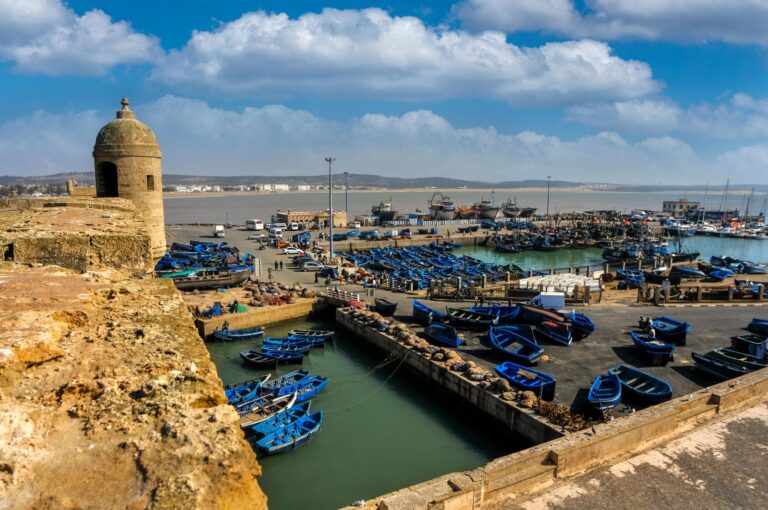
Essaouira and the Atlantic coast
Agadir and Taghazout
The High Atlas Mountains
Waterfalls and valleys around Azilal
The Dades and Todra regions
Ouarzazate and the Road of 1,000 Kasbahs
Palm oases around Skoura
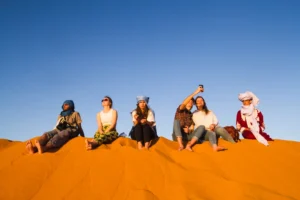
Merzouga and the Sahara
The southern desert around Zagora and Chegaga
Mediterranean beaches in the north
Dakhla and the Atlantic-Sahara landscapes
The Moroccan National Tourist Office also highlights activities ranging from medina exploration and gastronomy to hiking, nature, beaches, wellness and sports. (Visit Morocco)
This is why a good Morocco itinerary should not simply be described as a “desert tour.”
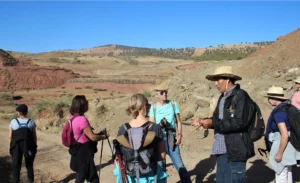
You can spend the morning exploring a historic city, hike in the Atlas Mountains in the afternoon, enjoy a traditional meal with a local family and later experience the silence of the desert.
Morocco is not just a desert destination. It is a country of contrasts.
3. Do Women Need to Dress a Certain Way in Morocco?
This is another very common question, particularly from women traveling to Morocco for the first time.
Morocco is a culturally diverse country, and clothing varies considerably between modern cities, rural communities, beaches, mountain villages and religious or traditional environments.
Visitors do not need to completely change their wardrobe, but dressing respectfully is recommended. Canada’s travel advice recommends dressing conservatively and behaving discreetly, while UK travel advice suggests that women travelers consider loose-fitting clothing covering the arms, legs and chest, particularly because women traveling alone may experience unwanted attention. (GOV.UK)
In practical terms, comfortable trousers, longer skirts or dresses, shirts, blouses and lightweight layers can work very well.
At the beach or a resort, swimwear is normal. In a traditional neighborhood, village or religious setting, more modest clothing is appropriate.
The key is context.
Women traveling around Morocco should also consider the practical advantages of comfortable clothing, especially when walking through medinas, hiking, visiting rural communities or traveling through hot areas.
For women who prefer to travel with other women, AFC Morocco Travel and Nomadik Morocco also develop women-only journeys that combine cultural experiences, local encounters, outdoor activities and logistical support.
4. Is Morocco Expensive?
Morocco can be surprisingly flexible when it comes to travel budgets.
There is no single answer to “Is Morocco expensive?” because the cost depends heavily on your travel style.
A traveler staying in simple guesthouses, eating at local restaurants and using public transportation can have a very different budget from someone staying in luxury riads, private villas, five-star hotels and traveling with a private chauffeur.
Morocco offers options across a broad range Morocco travel questions:
Budget travel / Morocco travel questions:
Simple hotels, guesthouses, local restaurants, public transportation and shared excursions.
Mid-range travel / Morocco travel questions:
Comfortable riads and hotels, private transfers, selected guided experiences and quality restaurants.
Luxury travel / Morocco travel questions:
Luxury riads, boutique hotels, international five-star properties, private transportation, exclusive experiences, private guides, wellness treatments and customized excursions.
One of the advantages of working with a Moroccan DMC is that an itinerary can be designed around the traveler’s priorities rather than forcing every traveler into the same package.
For example, one traveler might prioritize accommodation, while another prefers to spend more on private experiences, food, hiking or desert camps.
The question is therefore less about whether Morocco is “cheap” or “expensive” and more about what kind of Morocco experience you want to create.
5. Can You Travel Independently in Morocco?
Yes, independent travel is possible.
Morocco has an established tourism infrastructure, and travelers can organize accommodation, transportation, excursions and sightseeing independently.
However, independent travel and completely unsupported travel are not necessarily the same thing.
The level of planning required depends on your itinerary.
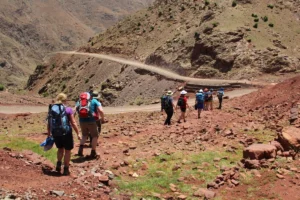
A short city break in Marrakech, Fes or Essaouira can be relatively straightforward. A multi-region journey involving the Atlas Mountains, remote valleys, desert areas and rural communities requires more planning.
For example, driving distances can be longer than they appear on a map, mountain roads can take time, and some desert and rural areas require specialized local knowledge.
An independent traveler may therefore choose a hybrid approach:
independent city exploration + locally organized excursions + private transportation for longer routes.
This gives travelers freedom while adding local support where it is most useful.
At AFC Morocco Travel DMC and Nomadik Morocco, we regularly create customized itineraries where travelers have free time while our team manages transportation, accommodations, guides and logistics.
The objective is not to control the traveler’s experience. It is to make the complicated parts easier so travelers can concentrate on enjoying Morocco.
6. Is Moroccan Food Spicy?
Moroccan food is flavorful, aromatic and full of spices—but that does not necessarily mean it is hot or chili-heavy.
This is an important distinction.
Moroccan cuisine uses spices such as cumin, ginger, saffron, cinnamon, paprika and turmeric to create layers of flavor. Many traditional dishes are aromatic rather than extremely spicy.
Some classic dishes include:
Tagine
Couscous
Pastilla
Harira
Tanjia
Moroccan salads
Grilled meats
Fresh fish
Vegetable dishes
Fresh bread
Moroccan pastries
Mint tea
The Moroccan National Tourist Office describes the country’s cuisine as highly varied, with regional specialties and different culinary traditions across cities and regions. (Visit Morocco)
For seafood lovers, coastal destinations such as Essaouira and Agadir offer excellent opportunities to enjoy fresh fish. In Fes, Marrakech and other cities, travelers can discover different interpretations of traditional Moroccan cuisine.
And if you don’t enjoy spicy food, simply tell your guide, chef or restaurant staff. Meals can often be adapted to your preferences.
Food is one of the best ways to understand Morocco because cuisine is connected to geography, family traditions, agriculture and local culture.
7. Do People Speak English in Morocco?
English is increasingly used in Morocco’s tourism industry, particularly in major tourist destinations.
You will find English-speaking staff in many hotels, restaurants, tour companies and tourist attractions. However, the level of English varies depending on the region and the type of establishment.
Morocco’s official languages are Arabic and Amazigh, while French is widely spoken and understood, and Spanish is particularly common in parts of northern and southern Morocco. (Visit Morocco)
For international travelers, English is often sufficient when dealing with tourism professionals, especially in destinations such as Marrakech, Fes, Essaouira, Casablanca and other major tourist centers.
Outside tourist areas, communication can sometimes require patience, gestures, translation applications or assistance from a local guide.
This is another advantage of working with a professional local DMC: travelers have someone who can communicate with hotels, drivers, restaurants, guides and local suppliers throughout the journey.
8. Is Morocco Suitable for Families?
Yes, Morocco can be a rewarding family destination, but the itinerary should be designed around the ages and interests of the children.
Families can choose from a wide variety of experiences:
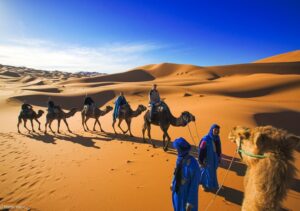
Camel experiences in the desert
Family-friendly desert camps
Cooking activities
Gardens and cultural attractions
Beaches
Boat and water activities
Easy mountain walks
Waterfalls
Local craft workshops
Animal experiences
Family-friendly riads
Cultural visits
Outdoor adventures
The country also offers plenty of opportunities for children to experience something different from a traditional resort holiday.
A family might spend a few days exploring Marrakech, travel through the Atlas Mountains, visit a kasbah, stay in an oasis and finish with a desert experience.
The key is not to overload the itinerary.
Families generally benefit from comfortable transportation, carefully selected accommodation, realistic driving times, regular breaks and activities that allow children to participate rather than simply observe.
A good DMC can adjust the pace of a journey around the family.
9. What Is the Best Time to Visit Morocco?
There is no single “best” month for everyone because Morocco has several different climate zones.
The best time depends on where you are going and what you want to do.
Spring and autumn are often particularly attractive for travelers combining cities, mountains and desert.
The Moroccan National Tourist Office identifies spring and autumn as the best seasons for visiting the southern Sahara, while also highlighting Morocco’s diverse coastal and mountain climates. (Visit Morocco)
Morocco travel questions Spring
Spring can be excellent for sightseeing, hiking and exploring the countryside. Landscapes can be greener, temperatures are generally comfortable in many regions and the mountains become particularly attractive.
Morocco travel questions Summer
Summer can be hot in inland and desert regions, especially during the middle of the day. Coastal destinations such as Essaouira, Agadir and other Atlantic locations can offer a more comfortable alternative.
Morocco travel questions Autumn
Autumn is another excellent period for combining cities, mountains and desert experiences. Temperatures generally become more comfortable after the hottest part of summer.
Morocco travel questions Winter
Winter can be a great time for southern Morocco and many cities. However, mountain areas can be cold, and snow can affect some High Atlas routes.
The important thing is to match the season to the itinerary.
For example:
Desert: spring and autumn are particularly attractive.
Coast: many coastal destinations can work throughout much of the year.
Hiking: spring and autumn are often comfortable, although the exact conditions depend on altitude.
Cities: Marrakech, Fes, Rabat and Casablanca can be visited throughout the year, with seasonal differences in temperature.
Rather than asking only “When should I visit Morocco?”, ask:
“What do I want to experience in Morocco?”
That question produces a much better answer.
10. Why Should Travelers Use a Local Moroccan DMC?
This is perhaps the most important question for travelers planning a complex Morocco journey.
A Destination Management Company (DMC) is a local travel company that manages destination services on behalf of travelers, travel advisors, tour operators and agencies.
A local Moroccan DMC can provide much more than a vehicle and driver.
At AFC Morocco Travel DMC and Nomadik Morocco, our role can include:
Designing customized itineraries
Private transportation
Airport transfers
Accommodation coordination
Local guides
Desert logistics
Mountain experiences
Restaurant and dining arrangements
Family and community experiences
Cultural activities
Group travel management
Women-only journeys
Corporate and incentive travel
Emergency and on-the-ground support
Coordination between different local suppliers
Local knowledge
A local DMC understands the practical realities behind an itinerary.
A route that looks simple on a map may take considerably longer because of mountain roads, stops, sightseeing and road conditions.
Local knowledge helps create realistic programs.
Reliable local partners
A DMC develops relationships with hotels, guides, drivers, restaurants, activity providers and other suppliers.
This can make it easier to coordinate multiple services within one itinerary.
Flexibility
Travel plans sometimes change.
A flight may be delayed. A traveler may want to change an activity. Weather may affect a mountain hike. A family may need a slower pace.
Having a local team can make these situations easier to manage.
Authentic experiences
One of the biggest advantages of local expertise is access to experiences beyond the standard sightseeing circuit.
Instead of simply visiting a destination, travelers can meet local communities, participate in cooking or craft activities, hike with local specialists, enjoy family meals or discover lesser-known landscapes.
Support for travel professionals
For international travel advisors and tour operators, working with a Moroccan DMC also means having a local operational partner.
AFC Morocco Travel DMC works with travel professionals looking for private journeys, small groups, customized programs, desert adventures, cultural itineraries and specialized travel experiences.
Nomadik Morocco complements this approach by connecting international travelers with locally operated Moroccan experiences and carefully designed journeys.
Morocco Beyond the Misconceptions
Morocco is often introduced through a collection of familiar images: camels, desert dunes, colorful markets and traditional architecture.
Those images are real, but they tell only part of the story.
Morocco is also mountains, Atlantic waves, Mediterranean beaches, ancient cities, modern neighborhoods, family traditions, gastronomy, rural landscapes, oases, forests, waterfalls, kasbahs, art, crafts and contemporary hospitality.
It is a destination where a single journey can combine culture, nature, adventure, food, wellness and relaxation.
The best Morocco itinerary is therefore rarely the one that simply checks the biggest tourist attractions off a list.
It is the itinerary that matches your interests, your travel style, your available time and the type of experience you want to have.
At AFC Morocco Travel DMC and Nomadik Morocco, we specialize in creating Morocco journeys that connect travelers with the destination through local knowledge, carefully planned logistics and authentic experiences.
Whether you are planning your first visit, a family holiday, a private luxury journey, a small group adventure, a women-only trip or a B2B travel program, Morocco can be designed around you.
Morocco is more than the desert. More than the medinas. More than the pictures you have seen online.
The real Morocco begins when you travel beyond the misconceptions.
Ready to Discover Morocco?
Planning a Morocco trip can be simple when you have the right local partner.
AFC Morocco Travel DMC and Nomadik Morocco can help design private tours, customized itineraries, small-group journeys, desert adventures, cultural experiences, mountain trips, family holidays and specialized Morocco programs for international travelers and travel professionals.
From Marrakech to the Atlas Mountains, from Fes to the Sahara, from Essaouira to the southern desert, we help turn a list of destinations into a well-connected Moroccan journey.