
You can dress comfortably without a legal requirement to cover up, but choosing loose, longer clothes and keeping your shoulders and knees covered will reduce stares and make everyday life easier.
This guide shows what you actually need for medinas, mosques, beaches, and city nights and explains simple choices that keep you safe and respected while letting you feel like yourself.
Aim for breathable fabrics, modest cuts, and a lightweight scarf in your bag; those three moves handle most situations in Morocco.
You’ll get clear tips on what to pack, what to avoid, and how to adapt for each region and activity, so you can enjoy the trip without guessing what to wear.
Understanding Morocco’s Dress Culture and Local Expectations
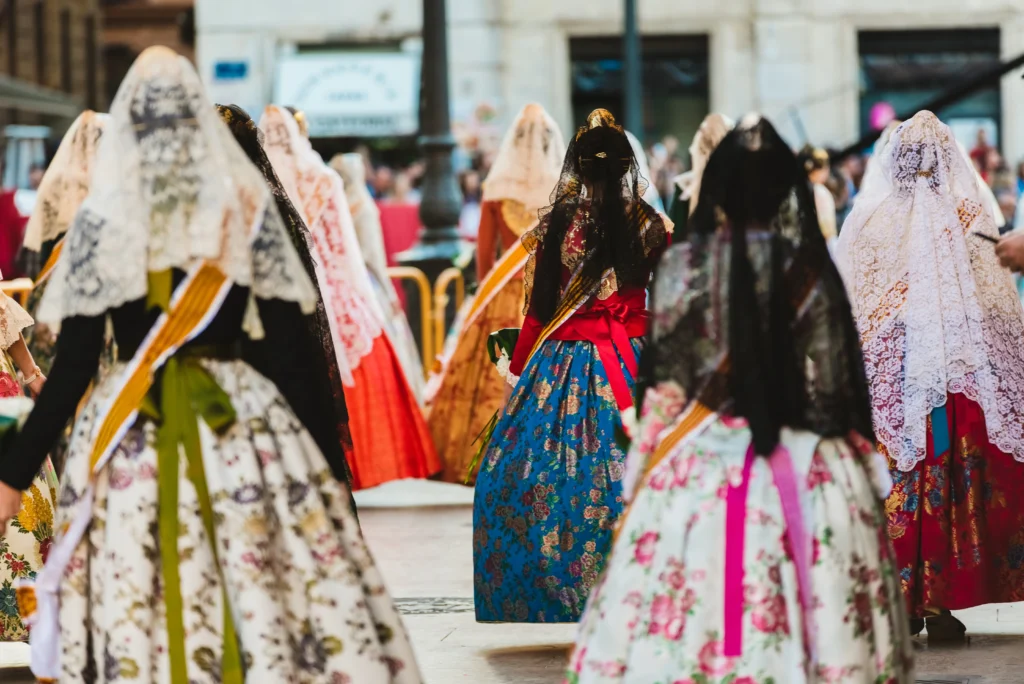
You will find a mix of modern city styles, conservative rural norms, and practical choices shaped by climate and place.
Knowing where you will be, Medina, the beach, a mosque, a village, or the desert, will help you decide what to pack and wear.
Modern Realities Versus Traditional Perceptions
Cities like Casablanca and Rabat show more liberal dress.
In tourist neighbourhoods and malls, you can wear short sleeves and lighter cuts without problem.
Many Moroccan women in urban areas wear Western styles, and you will see a wide range of clothing choices.
Traditional medinas, rural villages, and some neighborhoods expect more modesty.
Shoulders and knees covered is a simple baseline that reduces attention and fits local norms.
Lightweight fabrics such as linen or cotton keep you cool while staying modest.
Tourist beach towns accept swimwear on the sand.
But when you move off the beach into town, change into cover-ups.
Moroccan fashion blends colour and craftsmanship; you can buy kaftans, djellabas and scarves in souks that are both respectful and stylish.
How Dress Impacts Traveller Experience
What you wear changes how people respond to you.
Dressing modestly in conservative areas often means fewer stares and fewer approaches from touts.
Shopkeepers and families may treat you with more ease and respect when you follow local modesty cues.
In medinas, a scarf over your shoulders or a midi skirt makes daily movement simpler.
In rural Atlas villages, long trousers and sleeves help you be seen as a respectful guest rather than an outsider.
At mosques and some religious sites, modest dress is required for entry.
On the coast and in desert camps, practical choices matter: loose trousers, long sleeves, and a headscarf protect you from sun and dust.
Smart-casual clothes fit better for riad dinners and city restaurants than beachwear.
The Unwritten Rules: Respect Versus Legal Requirement
There is no legal dress code for tourists in Morocco, so you will not face police enforcement for wearing Western clothes.
The rules are social and situational rather than legal. That means you choose how much to adapt based on where you go.
Respectful dress signals cultural awareness. Covering shoulders and knees is often enough, but some places expect a headscarf for women.
During Ramadan, err towards more coverage in public during daylight to show sensitivity to fasting practices.
If you arrive underprepared, the medinas sell practical garments like lightweight djellabas and scarves.
Buying local clothing can help you blend in and support artisans at the same time.
Core Guidelines for Women Travelling in Morocco
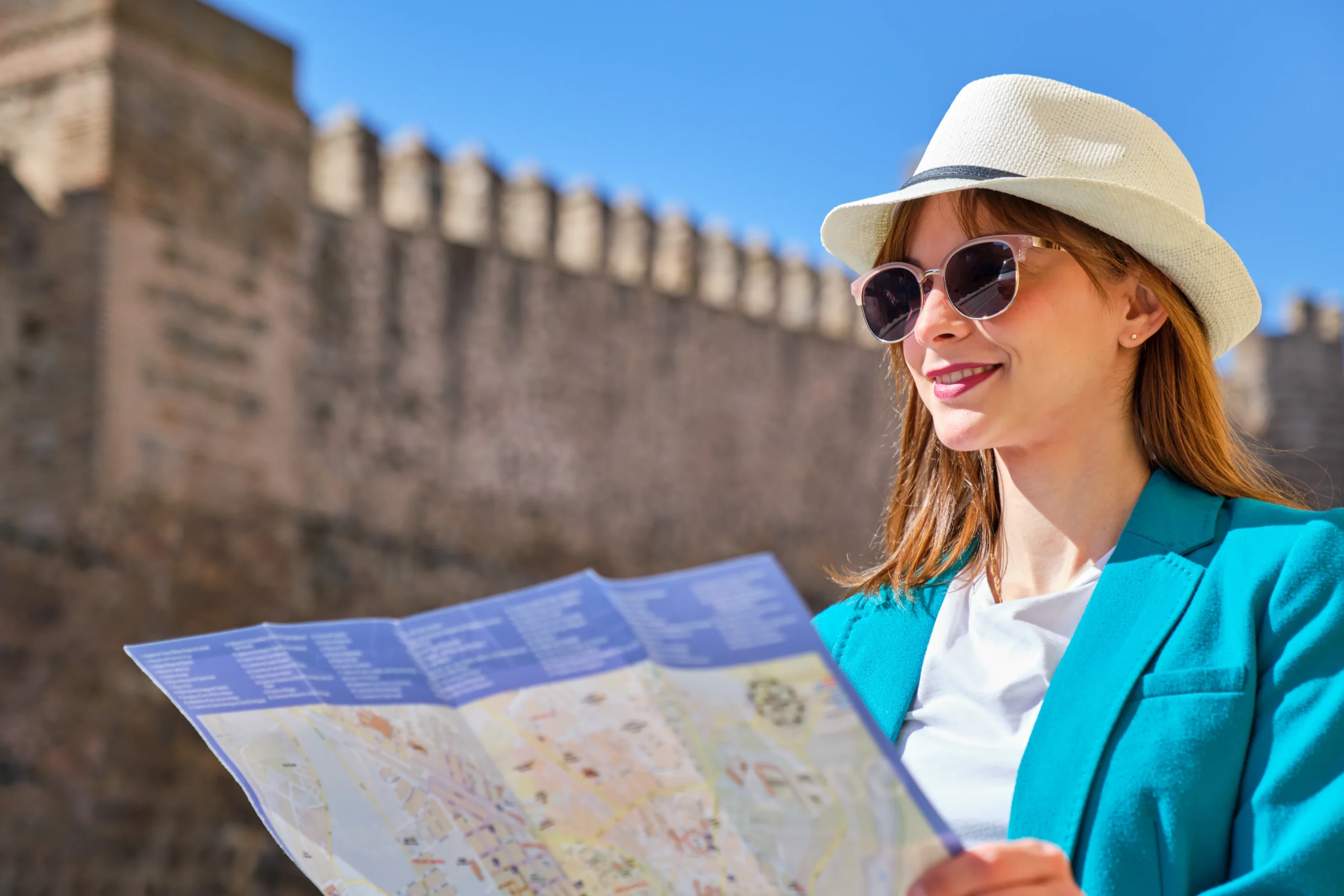
These practical rules help you pack and dress for city streets, medinas, beaches, and the desert.
Focus on comfortable, breathable fabrics, flexible layers, and items that let you adjust your coverage quickly.
Recommended Coverage | Shoulders, Knees, and Cleavage
Covering shoulders and knees lowers unwanted attention and makes mosque visits and rural stops easier.
Aim for tops with short or three-quarter sleeves and skirts or trousers that fall to mid-calf or below.
Avoid low-cut tops; choose higher necklines or camisoles under loose shirts.
Bring a lightweight scarf you can drape over your shoulders or use as a head cover if needed.
Pack breathable fabrics like cotton or linen to cope with heat while staying modest.
For evenings, include a light cardigan or shawl for cooler nights and added coverage.
A compact scarf also works as sun protection in the desert and modesty cover in conservative areas.
Regional and Urban Versus Rural Approaches
Cities such as Marrakech, Casablanca and Tangier are modern and tolerant; you can wear jeans, midi dresses, and sandals without issue.
In tourist areas and hotels, swimwear and more relaxed outfits are fine. Still, keep a scarf or cardigan handy for markets and religious sites.
In rural areas, mountain villages and conservative neighbourhoods favour longer dresses, loose trousers and sleeves to show respect.
Footwear should be practical closed shoes for uneven Medina streets and sturdy sandals for day trips.
For your Morocco packing list, include: 2–3 long skirts or trousers, 4–5 tops with varied sleeve lengths, a light jacket, a scarf, and comfortable walking shoes.
What to Wear Across Different Destinations and Activities
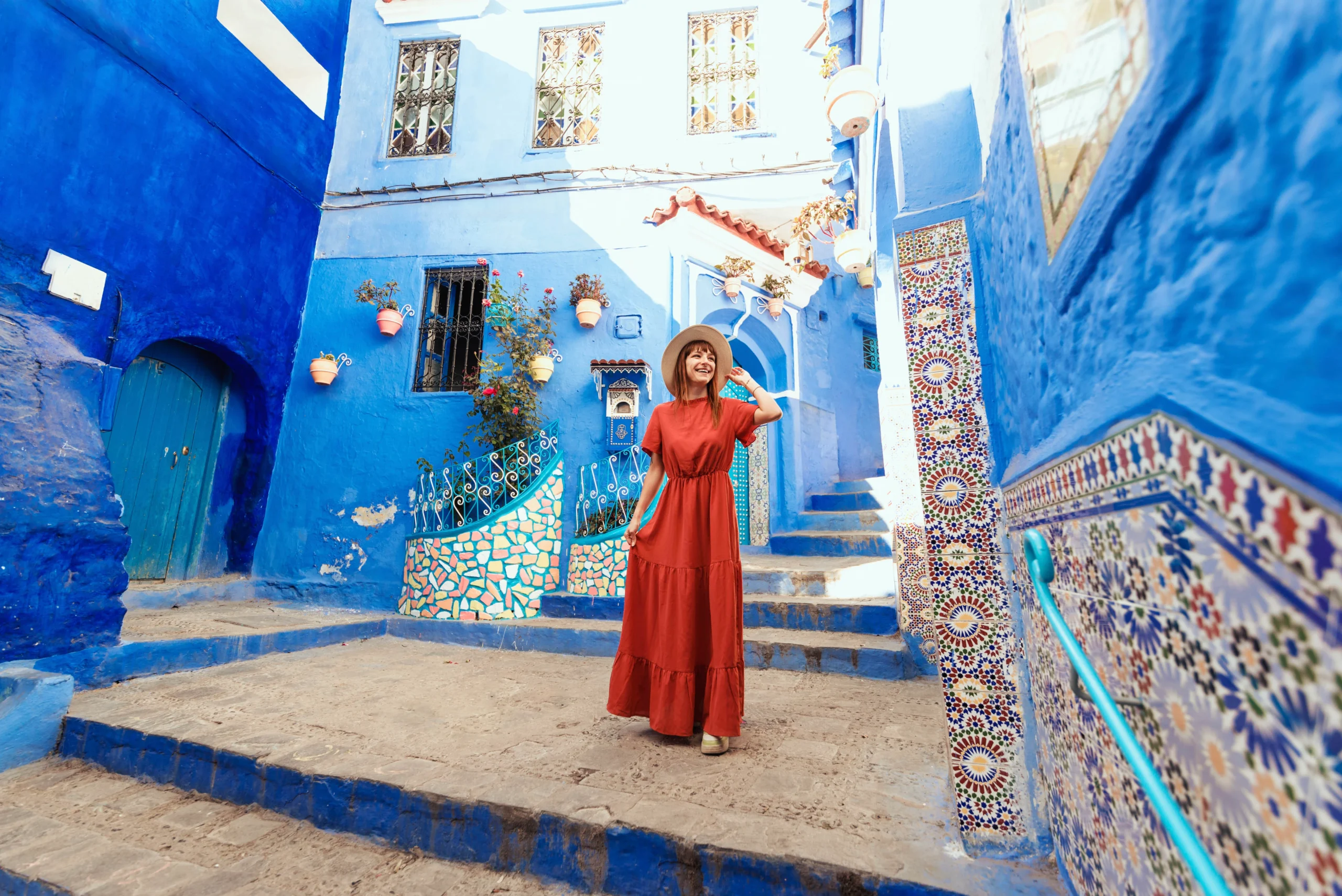
Pack clothes that cover shoulders and knees in most public places; choose breathable fabrics for heat, and bring warm layers for mountain and desert nights.
Carry a lightweight scarf for quick cover-ups, sun protection, and mosque visits.
What to Wear in Marrakech and Other Cities
In Marrakech and similar cities, wear loose cotton or linen trousers, midi or maxi skirts, and tops that cover shoulders.
Aim for breathable, light-coloured fabrics to stay cool in daytime heat.
Choose flat, comfortable shoes or sandals for cobbled medina streets; avoid high heels.
Bring one smart casual outfit (a neat dress or tailored shirt and trousers) for nicer restaurants or riads.
In modern neighbourhoods like Gueliz, you can be more relaxed, but in the medina, dress more modestly to avoid unwanted attention.
Keep jewelry low-key and use a small cross-body bag to move easily through markets.
Appropriate Outfits for the Sahara Desert
For the Sahara, wear long, loose trousers and long-sleeved shirts in lightweight cotton or linen to protect skin from sun and sand.
Covering arms and legs keeps you cooler and reduces sunburn risk.
Bring a wide-brimmed hat and sunglasses, and pack a large scarf or Berber-style turban to shield your face from wind-blown sand.
Temperatures drop sharply after sunset, so include a warm fleece or insulated jacket and thermal base layers for overnight camps.
Wear sturdy trainers or closed shoes for walking and camel saddles.
Advice for Visiting Mosques and Religious Sites
When you visit mosques, wear clothing that covers your hair (women), shoulders, arms and legs.
A long skirt or trousers plus a long-sleeved top work well. Carry a scarf to cover hair and a lightweight cardigan to cover arms quickly.
Men should wear long trousers and a shirt with sleeves. Remove shoes where required and avoid bringing loud or revealing outfits into prayer areas.
Some sites provide wraps, but having your own modest pieces avoids delays and shows respect for local customs.
What Not to Wear and Common Mistakes to Avoid
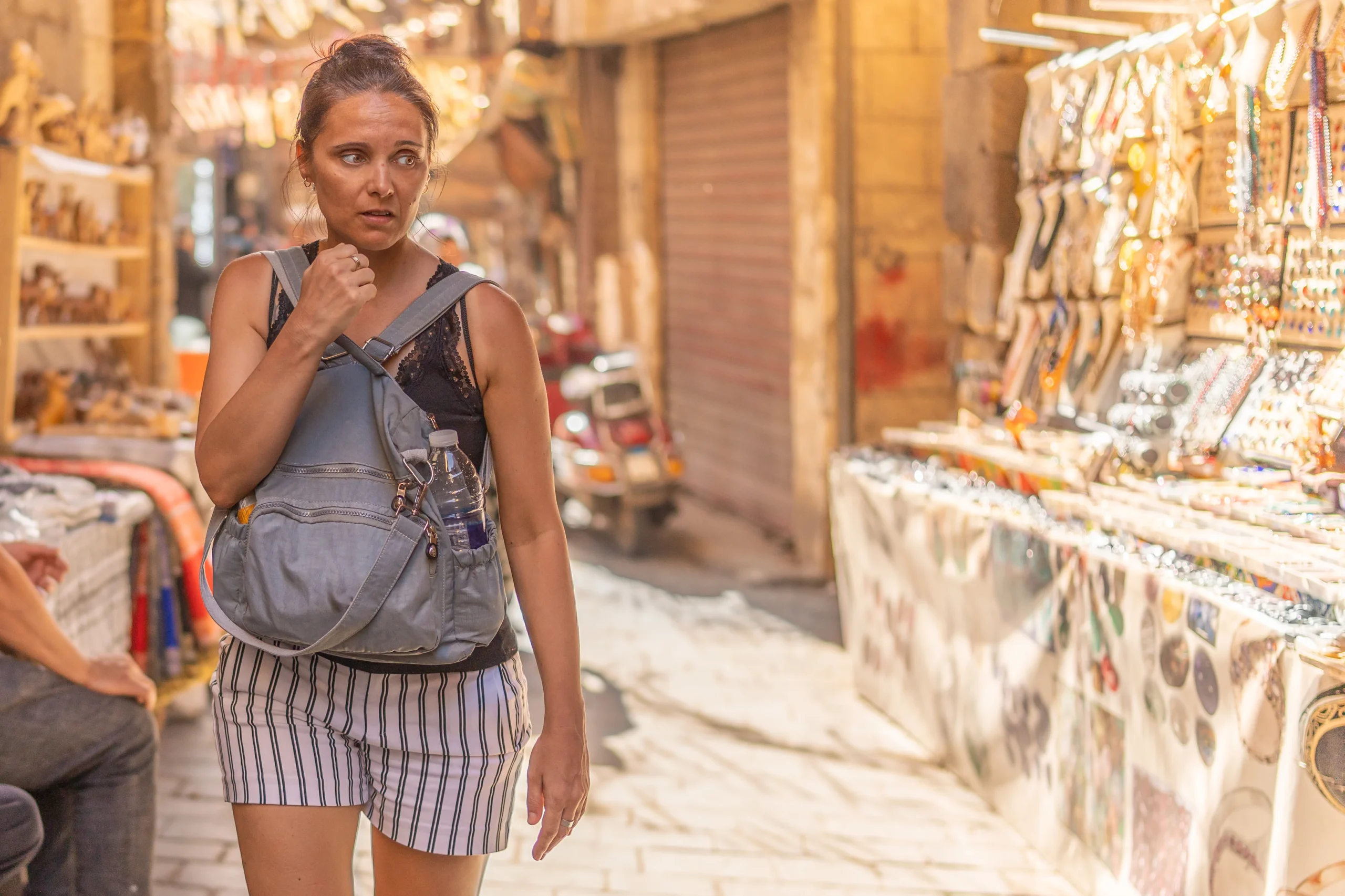
Wear clothes that lower unwanted attention and make daily movement easier.
Choose breathable, modest pieces that cover shoulders and knees in conservative areas.
Small changes in what you pack can reduce hassle and make locals treat you more respectfully.
Items That Attract Unwanted Attention
Avoid sleeveless tops, very short shorts, and low-cut dresses in medinas and villages.
These items draw stares and can invite persistent vendors or catcalls, especially in crowded souks.
Tight, body-con clothing also signals tourist fashion rather than modesty. That can increase the number of times people call out to you or follow you down an alley.
Don’t wear flashy, expensive jewelry or large camera straps openly. Visible wealth makes you a target for pickpocketing and aggressive bargaining.
Also, avoid clothing with offensive or political slogans; they can cause confusion or upset in conservative areas.
Reducing Culture Shock With Thoughtful Choices
Bring a lightweight scarf to cover shoulders or hair quickly. It takes up little space and solves most dress-code misunderstandings in mosques, riads, and village homes.
Pack midi skirts, loose linen trousers, and tops with sleeves; these keep you cool and respectful without sacrificing comfort.
For beaches and resorts, swimwear is fine at the shore, but carry a cover-up for the walk into town.
During Ramadan and in rural Atlas villages, choose fuller coverage; long sleeves and full-length bottoms work best.
When in doubt, observe local women’s dress in the area and match that level of modesty.
Frequently Asked Questions
What clothing helps women feel comfortable and respectful in Morocco without a strict dress code?
Wear tops that cover your shoulders and avoid very low necklines.
Loose dresses, maxi skirts, or wide-leg trousers keep you cool and reduce attention.
Use breathable fabrics like cotton or linen to cope with heat.
Add a lightweight cardigan or scarf for sun protection or when you enter traditional areas.
Comfortable walking shoes matter more than fashion.
Flat, supportive sandals or trainers work best on uneven pavements.
What should a woman pack for Marrakech to suit the weather and local norms?
Pack light cotton or linen dresses and a pair of loose trousers for daytime. Bring a lightweight long-sleeve shirt or cardigan for evenings and indoor air conditioning.
Include a scarf to cover shoulders when needed and sunglasses plus a wide-brim hat for sun protection. Pack comfortable closed shoes for the Medina and a pair of sandals for café terraces.
Bring a light waterproof or umbrella in spring and autumn; short thunderstorms are possible.
Don’t forget modest swimwear if you plan to visit hotel pools.
What should women wear in Morocco in December, including cooler evenings and indoor spaces?
Layer up with sweaters and a medium-weight jacket; nights can be cold, especially inland and in the mountains. Bring a warm scarf and closed shoes or boots for walking.
Indoors can be chilly because of limited heating in some riads and guesthouses. Pack thermal tops or a fleece for extra warmth.
What outfits work best for women travelling in Morocco in October and November, with changeable temperatures?
Use a mix of short- and long-sleeve items you can layer. Daytime can be warm, so wear breathable tops and switch to a light jacket in the evening.
Bring a foldable scarf and a pair of jeans or light trousers for cooler nights. A waterproof light jacket helps for occasional rain.
What items are best avoided to reduce unwanted attention when dressing in Morocco as a woman?
Avoid extremely short shorts, strapless tops, and very tight mini-skirts in medinas and rural areas. Transparent clothing and low-cut tops also draw unnecessary attention.
Skip flashy or offensive graphics and large amounts of exposed jewelry in busy markets. High heels are impractical on cobblestones and steep road staircases.