
The Complete Morocco Travel Guide 2026: 20 Essential Tips for an Unforgettable Journey
Morocco is one of the world’s most fascinating travel destinations. Located at the crossroads of Africa, Europe, and the Middle East, this extraordinary country offers an unforgettable blend of ancient traditions, breathtaking landscapes, vibrant cities, rich history, and warm hospitality.
From the bustling souks of Marrakech and the medieval streets of Fes to the golden dunes of the Sahara Desert and the stunning peaks of the Atlas Mountains, Morocco is a destination that appeals to every type of traveler. Whether you’re seeking cultural immersion, adventure, luxury, gastronomy, photography, or relaxation, Morocco delivers experiences unlike anywhere else on Earth.
This Complete Morocco travel guide answers the most frequently asked questions travelers have before visiting Morocco and provides expert tips to help you plan the perfect Moroccan adventure.
-
When Is the Best Time to Visit Morocco?
One of the most common questions travelers ask is about the best time to visit Morocco.
The answer depends largely on the regions you plan to explore, as Morocco offers a remarkably diverse climate.
Spring (March to May)
Spring is considered by many travel experts to be the ideal season to visit Morocco. Temperatures are pleasant throughout the country, landscapes are green, and the Atlas Mountains are covered with wildflowers.
Average temperatures range between 20°C and 28°C, making it perfect for sightseeing, hiking, and desert excursions.
Autumn (September to November)
Autumn offers similarly comfortable weather. The intense summer heat begins to fade, creating excellent conditions for exploring cities, mountains, and the Sahara Desert.
Summer (June to August)
Coastal destinations such as Essaouira, Agadir, and Tangier remain enjoyable thanks to Atlantic breezes. However, inland cities like Marrakech and Fes can experience temperatures exceeding 45°C.
Winter (December to February)
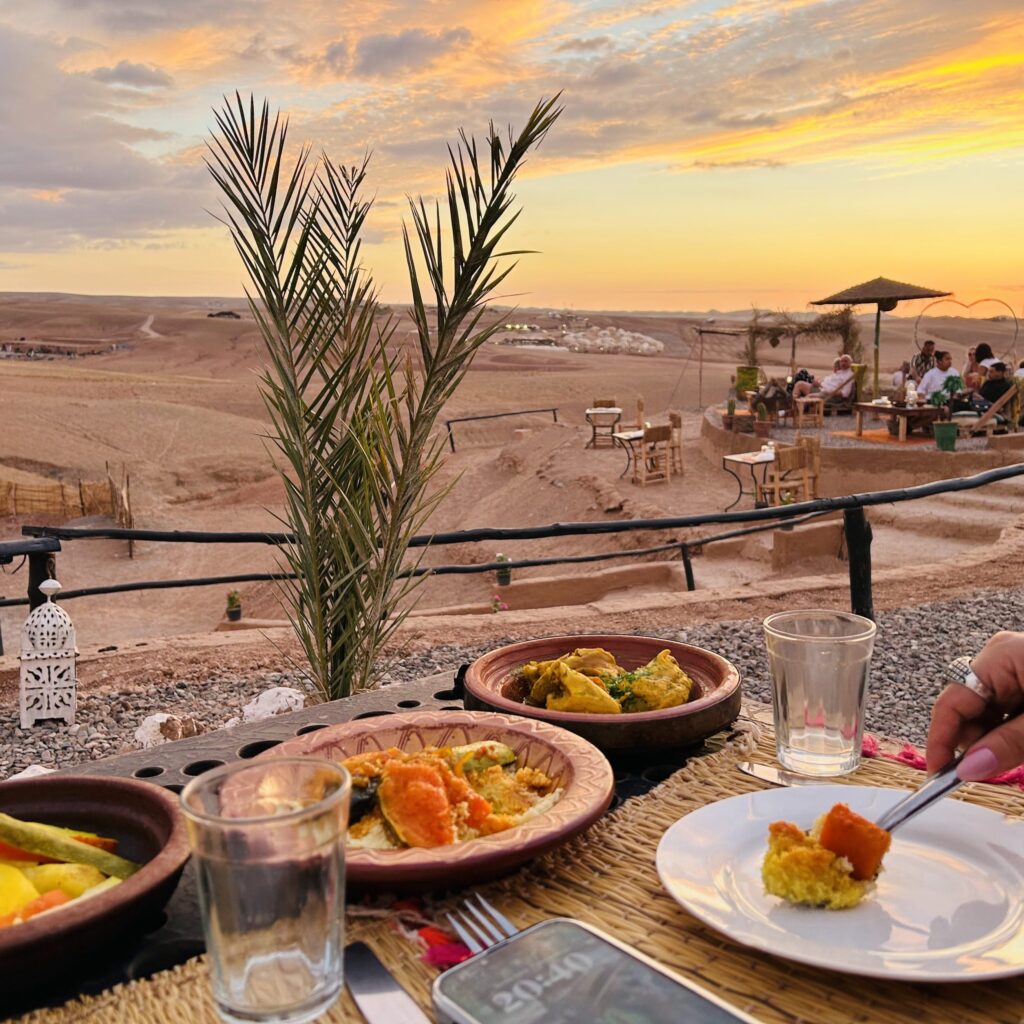
Winter is ideal for travelers seeking fewer crowds and lower prices. The desert remains beautiful, although nighttime temperatures can become very cold. The Atlas Mountains often receive snowfall, and skiing is even possible in certain regions.
-
Do You Need a Visa to Visit Morocco?
Morocco has one of the most accessible tourism policies in North Africa.
Citizens from many countries can enter Morocco visa-free for stays of up to 90 days, including travelers from:
- United States
- Canada
- United Kingdom
- Australia
- New Zealand
- European Union countries
- Japan
- South Korea
- Singapore
For travelers requiring a visa, Morocco offers an efficient online eVisa system.
Before departure, ensure your passport remains valid for at least six months beyond your arrival date.
-
What Are the Must-Visit Destinations in Morocco Travel Guide?
Morocco offers an incredible variety of destinations.
Marrakech Morocco Travel Guide
Known as the “Red City,” Marrakech combines history, luxury, culture, and excitement.
Highlights include:
- Jemaa el-Fnaa Square
- Bahia Palace
- Majorelle Garden
- Ben Youssef Madrasa
- Traditional Souks
Fes
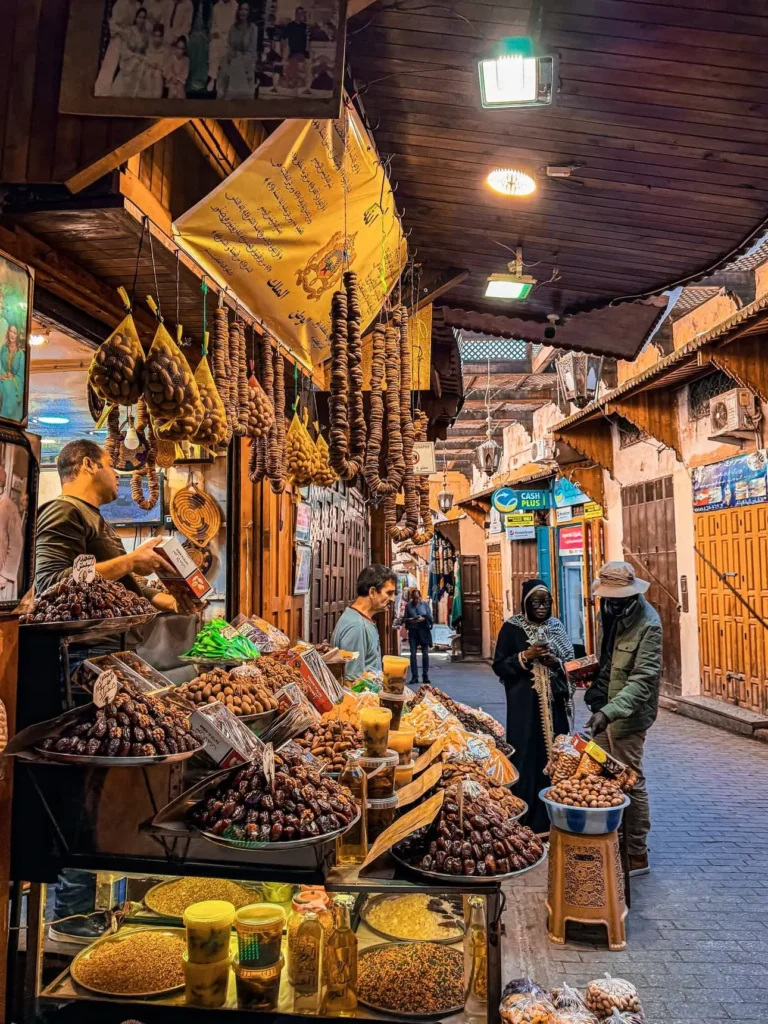
Often considered Morocco’s cultural and spiritual capital, Fes is home to one of the world’s oldest medinas.
Must-see attractions include:
- Fes el Bali
- Chouara Tannery
- Al Qarawiyyin University
- Royal Palace Gates
Chefchaouen
Nestled in the Rif Mountains, Chefchaouen is famous for its picturesque blue-painted streets and relaxed atmosphere.

Sahara Desert
A journey to Morocco is incomplete without visiting the Sahara Desert.
Popular experiences include:
- Camel trekking
- Luxury desert camps
- Stargazing
- Sandboarding
- Traditional Amazigh music performances
Essaouira
This charming Atlantic coastal town offers:
- Fresh seafood
- Historic ramparts
- Art galleries
- Surfing and kitesurfing
Atlas Mountains
Perfect for hiking, trekking, cultural encounters, and discovering traditional Amazigh villages.
-
How Many Days Do You Need in Morocco?
The ideal Morocco itinerary depends on your travel goals.
5-7 Days Tour in Morocco
Ideal for:
- Marrakech
- Atlas Mountains
- Sahara Desert
8-10 Days in Morocco
Allows you to include:
- Marrakech
- Ait Ben Haddou
- Dades Valley
- Sahara Desert
- Fes
12-14 Days Morocco Trip
Provides a comprehensive Morocco experience:
- Casablanca
- Rabat
- Chefchaouen
- Fes
- Sahara Desert
- Atlas Mountains
- Marrakech
- Essaouira
15+ Days Morocco Adventure
Perfect for exploring Morocco in depth and at a slower pace.
-
What Is Moroccan Cuisine Like?
Moroccan cuisine is consistently ranked among the world’s finest culinary traditions.
Its influences include Amazigh, Arab, Andalusian, Mediterranean, Jewish, and African heritage.
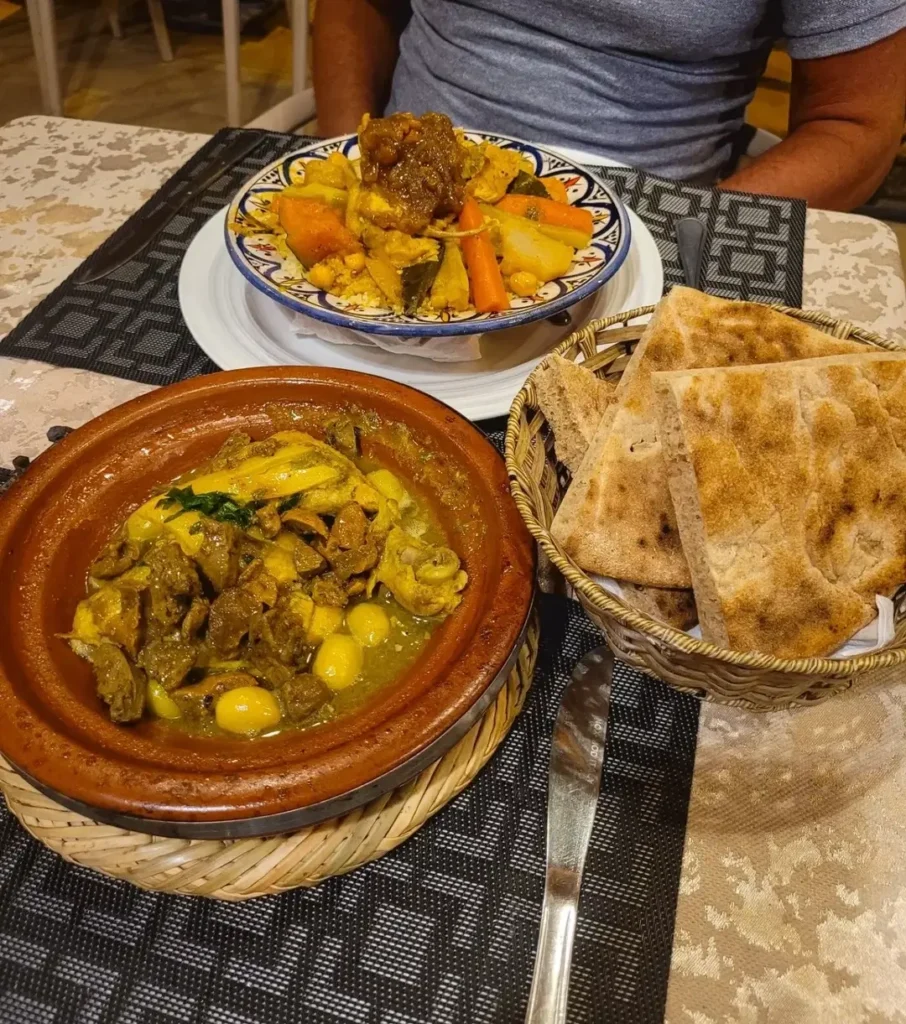
Tagine
Morocco’s iconic dish.
Popular varieties include:
- Chicken with preserved lemons and olives
- Lamb with prunes
- Vegetable tagine
- Kefta meatball tagine
Couscous
Traditionally served every Friday and considered Morocco’s national dish.
Pastilla
A delicious sweet-and-savory pie made with delicate pastry layers and aromatic spices.
Harira
A traditional Moroccan soup commonly enjoyed during Ramadan.
Moroccan Salads
Popular appetizers include:
- Zaalouk
- Taktouka
- Carrot salad
- Beetroot salad
Moroccan Mint Tea
A symbol of hospitality and an essential part of Moroccan culture.
-
Is Morocco Safe for Tourists?
Morocco is considered one of the safest destinations in Africa and the Middle East.
Millions of travelers visit Morocco every year without incident.
Common safety recommendations include:
- Stay aware of your surroundings.
- Avoid displaying valuables.
- Use licensed guides.
- Be cautious of unofficial tour offers.
- Keep copies of important documents.
Violent crime against tourists is extremely rare.
-
What Currency Is Used in Morocco?
Morocco’s currency is the Moroccan Dirham (MAD).
Travelers should know:
- Cash remains widely used.
- ATMs are available throughout major cities.
- Credit cards are accepted in hotels and many restaurants.
- Small businesses and local markets often prefer cash.
It is advisable to carry smaller denominations for tips and local purchases.
-
What Should Tourists Wear in Morocco?
Morocco is a modern yet culturally conservative country.
Respectful clothing helps visitors feel comfortable and blend in more easily.
For Women
Recommended clothing includes:
- Maxi dresses
- Long skirts
- Loose trousers
- Lightweight scarves
- Shirts covering shoulders
For Men
Recommended clothing includes:
- Long trousers
- Polo shirts
- T-shirts
- Light jackets during cooler seasons
Swimwear is acceptable at hotels, resorts, and beaches.
-
What Are Morocco’s Most Famous Souvenirs?
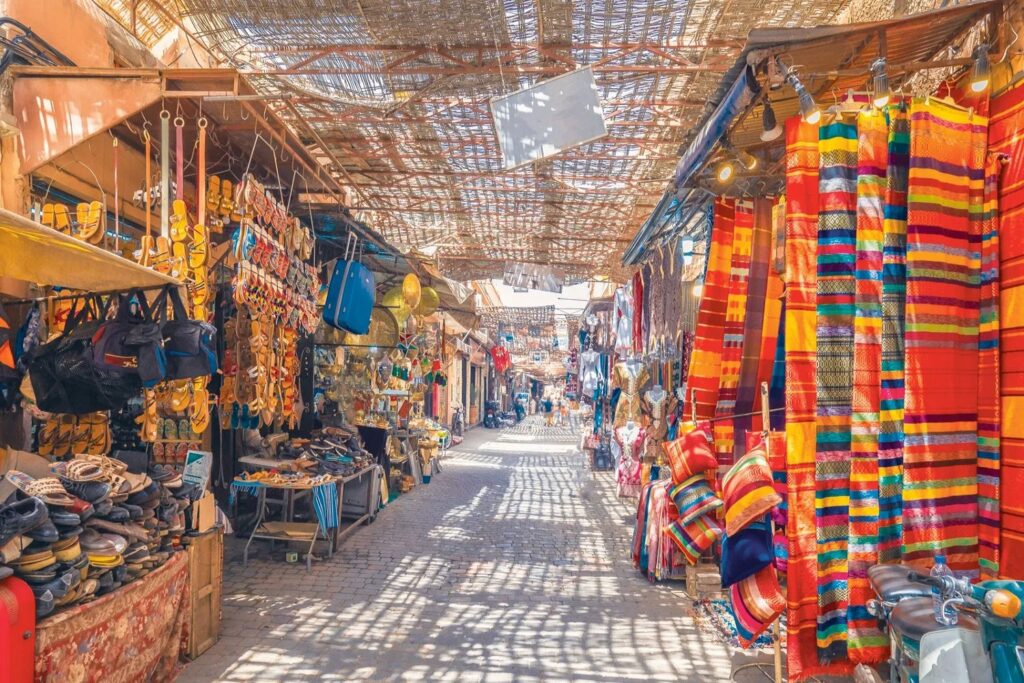
Shopping in Morocco is an unforgettable experience.
Popular souvenirs include:
Moroccan Carpets
Handwoven by skilled Amazigh artisans.
Argan Oil
Produced mainly in southwestern Morocco.
Leather Goods
Fes is particularly famous for leather craftsmanship.
Spices
Bring home authentic:
- Saffron
- Cumin
- Paprika
- Ras El Hanout
Pottery and Ceramics
Beautiful handcrafted pieces are found throughout Morocco.
Metal Lanterns
A signature Moroccan decorative item.
-
How Do You Get Around Morocco?
Morocco offers excellent transportation infrastructure.
High-Speed Train
The Al Boraq high-speed train connects Tangier, Rabat, and Casablanca.
National Rail Network
Reliable train connections serve:
- Marrakech
- Casablanca
- Rabat
- Meknes
- Fes
- Tangier
Private Tours
The most comfortable option for travelers seeking flexibility.
Domestic Flights
Useful for longer distances between cities.
Rental Cars
Ideal for independent travelers exploring remote regions.
-
What Is a Riad?
One of Morocco’s most unique accommodation experiences is staying in a riad.
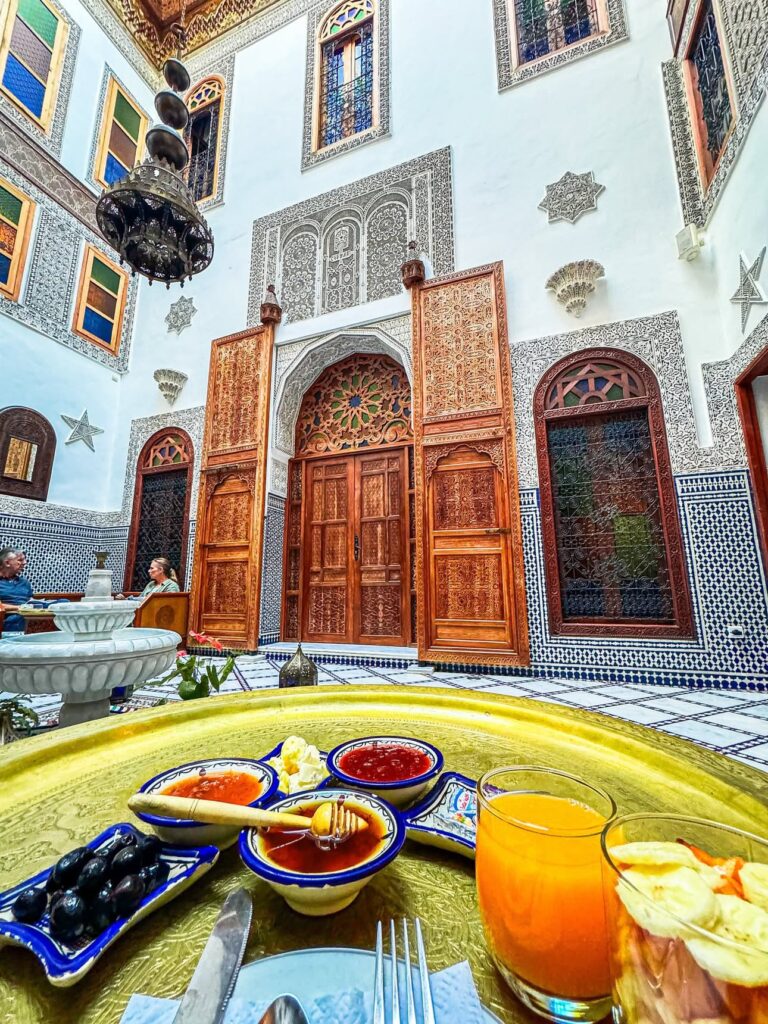
A riad is a traditional Moroccan house built around an interior courtyard.
Features often include:
- Decorative zellige tilework
- Rooftop terraces
- Fountains
- Personalized service
- Traditional architecture
Staying in a riad offers a far more authentic experience than standard hotels.
-
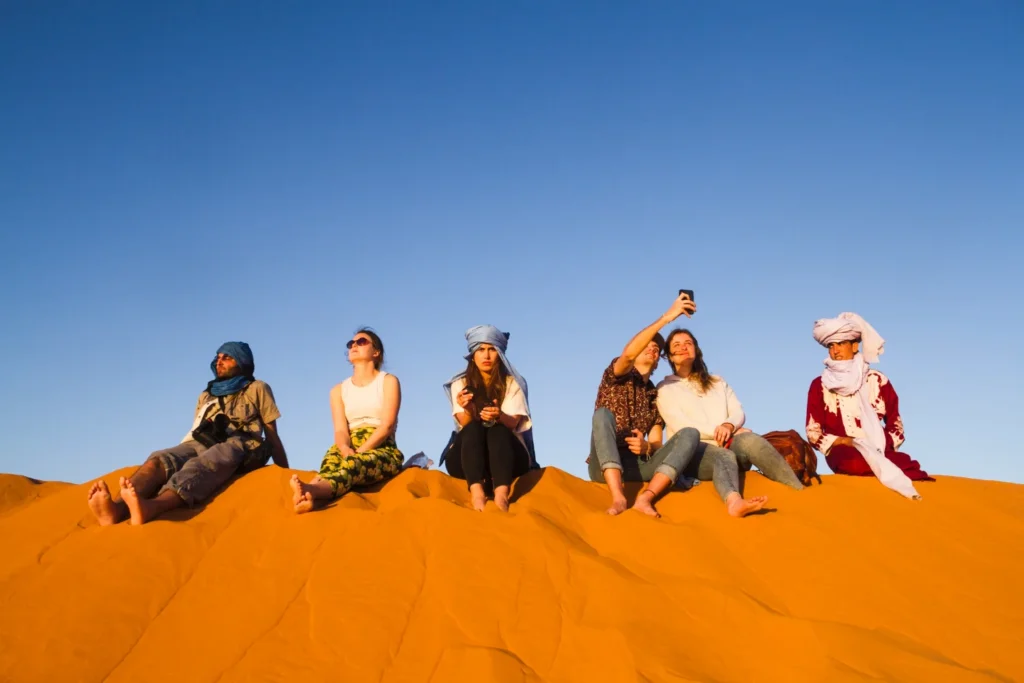
What Is the Sahara Desert Experience Like?
The Sahara Desert is one of Morocco’s most iconic attractions.
A typical experience includes:
- Camel trekking through dunes
- Sunset photography
- Luxury camping
- Traditional music performances
- Stargazing under clear desert skies
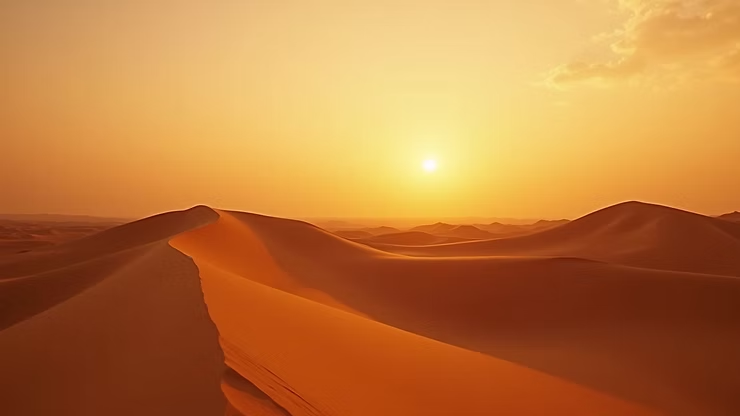
The Erg Chebbi dunes near Merzouga are among Morocco’s most spectacular desert landscapes.
-
Can You Drink Alcohol in Morocco?
Yes. Alcohol is legally available in Morocco.
You can find it at:
- International hotels
- Licensed restaurants
- Bars
- Nightclubs
- Certain Shops and supermarkets
However, Morocco is a Muslim-majority country, so respectful consumption is encouraged.
-
What Languages Are Spoken in Morocco?
Morocco is a multilingual country.
Languages commonly spoken include:
Darija (Moroccan Arabic)
The most widely spoken language.
Amazigh
An official language spoken throughout mountain and desert regions.
French
Widely used in business, tourism, and education.
English
Increasingly common among younger generations and tourism professionals.
Spanish
Frequently spoken in northern Morocco.
-
What Cultural Etiquette Should Travelers Know?
Understanding local customs enriches the travel experience.
Key etiquette tips:
- Use your right hand when greeting or eating.
- Dress modestly.
- Ask permission before photographing people.
- Remove shoes when entering someone’s home.
- Accepting tea is considered a gesture of respect.
Moroccans are known worldwide for their generosity and hospitality.
Some of Morocco’s top experiences include:
- Exploring ancient medinas
- Sleeping in the Sahara Desert
- Hiking in the Atlas Mountains
- Visiting traditional hammams
- Taking cooking classes
- Riding camels
- Shopping in the souks
- Surfing in Taghazout
- Visiting UNESCO World Heritage Sites
Morocco hosts numerous world-class festivals throughout the year.
Popular events include:
Gnaoua World Music Festival
Held annually in Essaouira.
Mawazine Festival
One of the largest music festivals in the world.
Marrakech International Film Festival
A prestigious event attracting global cinema stars.
Rose Festival
Celebrated every spring in Kelaat M’Gouna.
The best ways to connect with Morocco include:
- Hiring licensed local guides
- Visiting museums and historic sites
- Participating in cooking classes
- Staying in traditional riads
- Exploring local markets
- Meeting artisans and craftspeople
Authentic cultural interactions often become travelers’ most memorable experiences.
Basic travel health recommendations through our Morocco Travel Guide include:
- Drink bottled or filtered water.
- Wear sunscreen.
- Stay hydrated.
- Carry essential medications.
- Purchase comprehensive travel insurance.
Morocco’s private healthcare facilities are excellent in major cities.
Working with a trusted Moroccan Destination Management Company (DMC) provides numerous advantages:
- Local expertise
- Authentic experiences
- Personalized itineraries
- 24/7 support
- Better logistics
- Access to hidden gems
- Strong relationships with hotels and suppliers
A knowledgeable local partner transforms a good trip into an extraordinary journey.
Morocco is more than a destination, it is an experience that awakens the senses and leaves lasting memories.
From the vibrant streets of Marrakech and the timeless medinas of Fes to the majestic Atlas Mountains and the endless dunes of the Sahara, Morocco offers an incredible blend of culture, adventure, luxury, history, and hospitality.
Whether you are planning your first visit or returning to discover new regions, Morocco continues to surprise and inspire travelers from around the world.
At AFC Morocco Travel, we believe every journey should be authentic, meaningful, and unforgettable. Our team of local experts is passionate about sharing the real Morocco through carefully crafted experiences tailored to your interests and travel style.
Ready to discover Morocco read our Morocco Travel Guide and Reach out?
Contact AFC Morocco Travel today and start planning the Moroccan adventure of a lifetime.