
Understanding Ramadan in Morocco: The Ultimate Travel Guide for Visitors (2026)
If you’re planning a trip to Morocco during the holy month of Ramadan, you might be wondering whether it’s a good time to visit. Will restaurants be open? Can tourists eat during the day? Are attractions closed? Will your experience be affected?
The answer is yes—you can absolutely travel to Morocco during Ramadan, and for many travelers, it becomes one of the most authentic and memorable experiences of their journey.
Ramadan is far more than a month of fasting. It is a period of spirituality, generosity, family gatherings, and vibrant evening celebrations. As the sun sets, Moroccan cities transform into lively destinations filled with delicious aromas, bustling cafés, illuminated streets, and a unique atmosphere unlike any other time of year.
Whether you’re exploring the imperial cities, hiking in the Atlas Mountains, wandering through ancient medinas, or camping beneath the stars in the Sahara Desert, understanding local customs will help you appreciate Morocco on a much deeper level.
This complete guide explains everything international visitors should know before traveling to Morocco during Ramadan.
What Is Ramadan?
Ramadan is the ninth month of the Islamic calendar and is considered the holiest month for Muslims around the world. During this month, Muslims fast every day from dawn until sunset by abstaining from:
- Food
- Water
- Smoking
- Drinking
- Other physical needs during daylight hours
However, Ramadan is about much more than fasting. It focuses on:
- Spiritual reflection
- Charity and generosity
- Self-discipline
- Prayer
- Family gatherings
- Community
After sunset, families and friends gather for Iftar, the meal that breaks the daily fast. Later in the evening, many people attend special prayers before enjoying time together in cafés, markets, and public squares.
Is It a Good Idea to Visit Morocco During Ramadan?
Absolutely. Many experienced travelers actually prefer visiting Morocco during Ramadan because it offers a unique cultural experience that few tourists get to witness.
Advantages of Traveling to Morocco During Ramadan
- Fewer tourists at popular attractions
- A more authentic cultural experience
- Beautiful evening atmosphere
- Less crowded riads and hotels
- Easier photography in historic medinas
- Opportunities to participate in local traditions
- Warm hospitality from Moroccan families
Rather than seeing Ramadan as a limitation, many visitors discover that it becomes one of the highlights of their trip.
What Changes During Ramadan in Morocco?
Daily life in Morocco follows a different rhythm.
The mornings are generally quiet, while afternoons become slower as people conserve energy before breaking the fast.
Everything changes at sunset.
The moment the call to prayer announces Iftar, streets suddenly become peaceful for a short period as families gather around the table.
About an hour later, Morocco comes alive.
You’ll notice:
- Busy cafés
- Open bakeries
- Crowded food stalls
- Families strolling through parks
- Children playing outside
- Late-night shopping
- Vibrant markets
Many cities stay active well past midnight.
Can Tourists Eat and Drink During the Day of Ramadan in Morocco?
Yes.
Tourists are not expected to fast.
Most hotels continue serving breakfast and lunch for guests.
Luxury hotels, resorts, and international restaurants generally remain open throughout the day.
Some cafés may also discreetly serve tourists.
While eating in public is not illegal for visitors, it’s considered respectful to avoid eating, drinking, or smoking openly in crowded public places where many locals are fasting.
Simple acts of consideration are greatly appreciated.
Are Restaurants Open During Ramadan in Morocco?
This depends on the type of restaurant.
Usually Open during Ramadan in Morocco
- Hotels
- International restaurants
- Tourist restaurants
- Airport cafés
- Resort restaurants
- Major tourist attractions
Often Closed Until Sunset during Ramadan in Morocco
- Small local cafés
- Family-owned restaurants
- Street food vendors
- Neighborhood bakeries
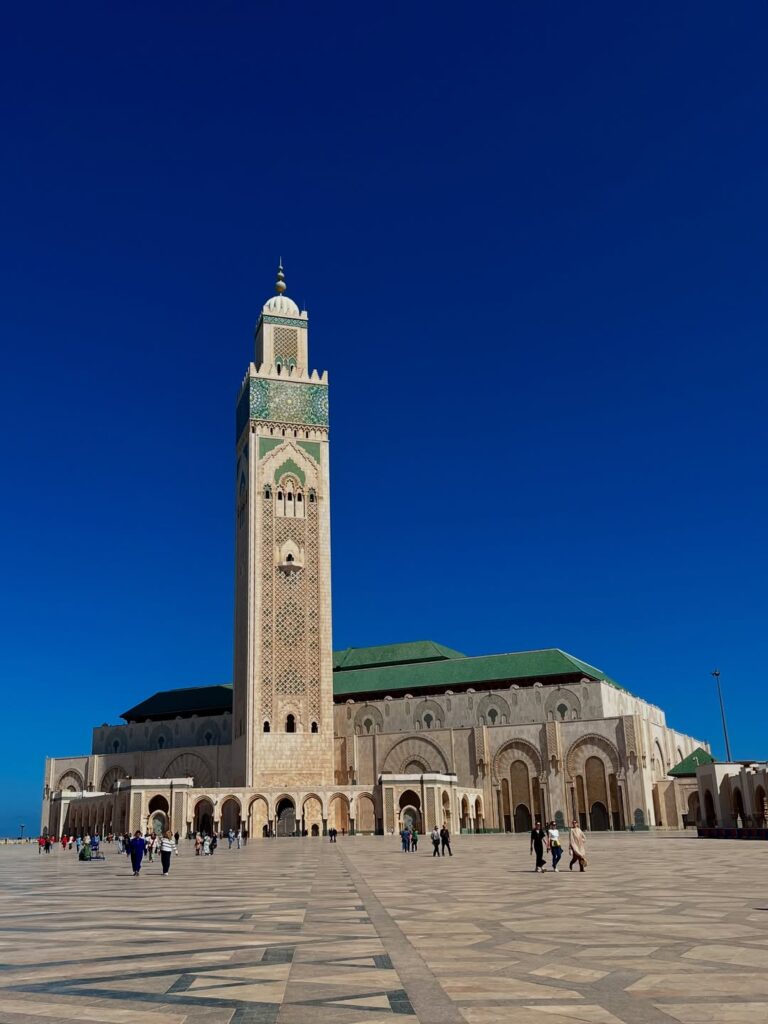
In major destinations like Marrakech, Casablanca, Fes, Tangier, and Agadir, you’ll still have plenty of dining options throughout the day.
Visiting Marrakech During Ramadan
Marrakech remains one of the best places to experience Ramadan.
During daylight hours, the famous Jemaa el-Fnaa square is quieter than usual.
After sunset, it transforms into an incredible open-air dining scene.
Visitors can enjoy:
- Traditional Moroccan soups
- Fresh juices
- Grilled meats
- Local pastries
- Live musicians
- Storytellers
- Family entertainment
The atmosphere becomes festive without losing its spiritual significance.
Experiencing Iftar Like a Local
One of the most memorable experiences during Ramadan is sharing an Iftar meal.
A traditional Moroccan Iftar usually includes:
Harira Soup
The iconic Moroccan tomato and lentil soup served every evening.
Dates
Traditionally the first food eaten after sunset.
Chebakia
A delicious sesame and honey pastry unique to Ramadan.
Fresh Bread
Warm homemade Moroccan bread accompanies every meal.
Eggs
Often served boiled or with spices.
Mint Tea
Morocco’s famous sweet mint tea brings everyone together.
After the light meal, many families continue with a larger dinner later in the evening featuring tagines, couscous, grilled meats, and seasonal dishes.
What Should Tourists Wear during Ramadan in Morocco?
There is no special dress code for Ramadan.
However, modest clothing is appreciated, especially in smaller towns and rural communities.
Recommended clothing includes:
- Lightweight trousers
- Maxi dresses
- Long skirts
- Shirts covering the shoulders
- Comfortable walking shoes
- A light scarf for visiting religious sites
Morocco remains welcoming to international visitors, but respectful clothing helps create positive interactions.
Can You Drink Alcohol during Ramadan in Morocco?
Alcohol is available in Morocco during Ramadan, although availability becomes more limited.
Many hotel bars continue serving guests.
Licensed restaurants may also serve alcohol.
However:
- Some liquor stores close during Ramadan.
- Availability may vary depending on the city.
- Public drinking is discouraged.
Are Tourist Attractions Open during Ramadan in Morocco?
Yes.
Most tourist attractions remain open, including:
- Museums
- Historic palaces
- Gardens
- Desert camps
- Atlas Mountain excursions
- Coastal towns
- Guided tours
Opening hours may change slightly, so checking schedules in advance is always recommended.
Is Transportation Affected during Ramadan in Morocco?
Transportation generally operates normally.
This includes:
- Domestic flights
- Trains
- Private transfers
- Guided tours
- Taxis
However, traffic becomes heavier about one hour before sunset as people rush home to break their fast.
If you’re traveling between cities, it’s wise to avoid scheduling important transfers immediately before Iftar.
Shopping During Ramadan in Morocco
Markets and souks often open later into the evening.
Shopping after Iftar is actually one of the best experiences.
You’ll enjoy:
- Cooler temperatures
- Lively streets
- Local families shopping
- Beautiful lighting
- Less daytime heat
Many stores remain open until midnight or later.
Visiting the Sahara Desert During Ramadan in Morocco
Ramadan creates an especially peaceful atmosphere in the Sahara.
Luxury desert camps continue operating normally.
Dinner naturally coincides with Iftar, making sunset in the dunes an unforgettable experience.
Imagine:
- Watching the sun disappear behind golden dunes
- Breaking bread with local Berber hosts
- Enjoying traditional music beneath a sky full of stars
Many travelers consider Ramadan one of the best times to experience Morocco’s desert culture.
Hiking in the Atlas Mountains during Ramadan in Morocco
Mountain villages observe Ramadan with deep respect.
Guided treks continue operating, but guides may be fasting while hiking.
Visitors should:
- Carry enough water
- Be patient with the pace
- Avoid eating directly in front of fasting guides when possible
- Respect prayer times
The hospitality of Amazigh communities remains exceptional throughout Ramadan.
Photography Etiquette to better Understanding Ramadan in Morocco
Ramadan is a deeply spiritual month.
When photographing people:
- Always ask permission.
- Avoid photographing families during Iftar.
- Respect worshippers near mosques.
- Never interrupt prayers.
Moroccans are generally welcoming when approached politely.
Respectful Etiquette for Visitors to Understanding Ramadan in Morocco
Following a few simple guidelines will make your trip more enjoyable.
Do this during Ramadan in Morocco
- Smile and greet people.
- Dress modestly.
- Be patient.
- Accept invitations if offered.
- Learn a few Moroccan greetings.
- Respect local customs.
Avoid this during Ramadan in Morocco
- Eating openly in crowded public places.
- Playing loud music near mosques.
- Smoking around fasting people.
- Complaining about slower service.
- Taking photos without permission.
Why Ramadan Is One of the Best Times to Experience Morocco
Many travelers initially worry that Ramadan will limit their vacation.
The opposite is often true.
You’ll witness:
- Family traditions rarely seen by tourists
- Incredible evening celebrations
- Authentic Moroccan cuisine
- Spiritual devotion
- Extraordinary hospitality
- Beautiful cultural traditions
Instead of simply sightseeing, you’ll experience Morocco as locals do.
Practical Travel Tips Understanding Ramadan in Morocco
Before traveling, remember these useful recommendations:
- Book accommodations in advance.
- Confirm restaurant opening hours.
- Plan daytime meals through your hotel.
- Schedule long drives outside Iftar time.
- Carry snacks if traveling between cities.
- Stay hydrated.
- Join an Iftar experience if possible.
- Respect local customs even if you are not fasting.
- Enjoy the peaceful mornings and vibrant evenings.
Frequently Asked Questions about Ramadan in Morocco
Is Morocco safe during Ramadan?
Yes. Morocco remains very safe for tourists during Ramadan, and hospitality is often even more noticeable during this special month.
Can non-Muslims visit Morocco during Ramadan?
Absolutely. Visitors of all faiths are welcome throughout Ramadan.
Are museums and attractions closed?
Most remain open, though some may operate with slightly adjusted hours.
Can tourists eat during the day?
Yes, especially inside hotels and tourist-friendly restaurants.
Is Ramadan a bad time to visit Morocco?
Not at all. Many travelers consider it one of the most rewarding times to visit thanks to the authentic cultural atmosphere.
Final Thoughts about Understanding Ramadan in Morocco
Traveling to Morocco during Ramadan offers a rare opportunity to experience the country’s rich traditions, hospitality, and daily life in a deeply meaningful way. While daytime routines may be quieter and some businesses adjust their hours, the evenings come alive with family gatherings, delicious food, and vibrant community celebrations.
For travelers seeking more than sightseeing, Ramadan reveals the heart of Moroccan culture. Whether you’re wandering through the bustling souks of Marrakech, enjoying an Iftar meal with local hosts, trekking in the Atlas Mountains, or watching the sunset over the Sahara Desert, you’ll gain a unique appreciation for the values of generosity, faith, and togetherness that define this special month.
With thoughtful planning and respect for local customs, visiting Morocco during Ramadan can become one of the most unforgettable travel experiences of your life.
Why Travel with AFC Morocco Travel?
If you’re planning to visit Morocco during Ramadan, AFC Morocco Travel specializes in creating authentic, tailor-made experiences that embrace the spirit of the season. From private cultural tours and luxury desert camps to guided city walks and traditional Iftar experiences with local families, our expert team ensures you discover Morocco beyond the typical tourist trail.
Whether you’re traveling solo, as a couple, with family, or in a group, we’ll help you experience the warmth, hospitality, and timeless traditions that make Ramadan in Morocco truly unforgettable and Understanding Ramadan in Morocco. Contact AFC Morocco Travel today to start planning your personalized Moroccan adventure.