
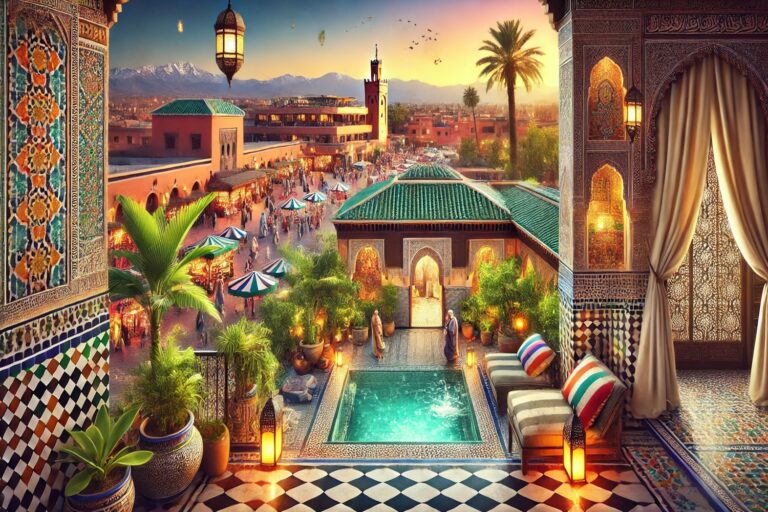
UNESCO World Heritage Sites in Morocco: Discover the Kingdom’s Most Treasured Landmarks
Morocco is one of the world’s most fascinating destinations, where centuries of history, diverse cultures, and spectacular architecture blend into unforgettable travel experiences. From bustling medieval medinas to majestic kasbahs and ancient Roman ruins, the country is home to some of North Africa’s most remarkable historical treasures and UNESCO World Heritage Sites.
Recognized by UNESCO for their outstanding universal value, Morocco’s World Heritage Sites preserve the country’s Amazigh, Arab, Andalusian, Jewish, Roman, and Islamic heritage. These destinations are not only architectural masterpieces but also living museums where traditions continue to thrive.
Whether you’re planning your first Moroccan adventure or returning to discover more hidden gems, visiting these UNESCO World Heritage Sites should be at the top of your itinerary.
How Many UNESCO World Heritage Sites Does Morocco Have?
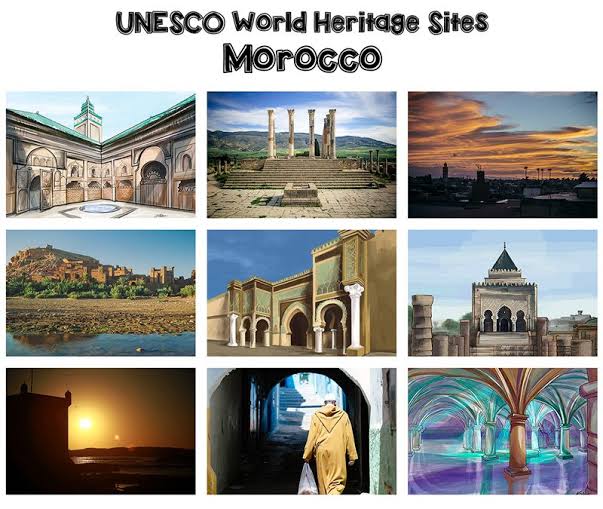
Morocco currently has nine UNESCO World Heritage Sites, each offering a unique glimpse into the country’s remarkable past.
These include:
- Medina of Fez
- Medina of Marrakech
- Ksar of Ait Ben Haddou
- Historic City of Meknes
- Archaeological Site of Volubilis
- Medina of Tetouan
- Medina of Essaouira
- Portuguese City of Mazagan (El Jadida)
- Rabat, Modern Capital and Historic City
Let’s discover each one.
-
Medina of Fez
Founded in the 9th century, the Medina of Fez is considered one of the world’s largest car-free urban areas and one of the finest surviving medieval Islamic cities.
Walking through Fez feels like stepping back over one thousand years. Narrow alleyways wind through colorful souks filled with artisans producing leather goods, brassware, ceramics, and textiles using techniques passed down for generations.
Highlights include:
- Al Quaraouiyine University (one of the oldest continuously operating universities)
- Traditional tanneries
- Historic madrasas
- Ancient gates
- Vibrant local markets
Fez remains Morocco’s cultural and spiritual heart.
-
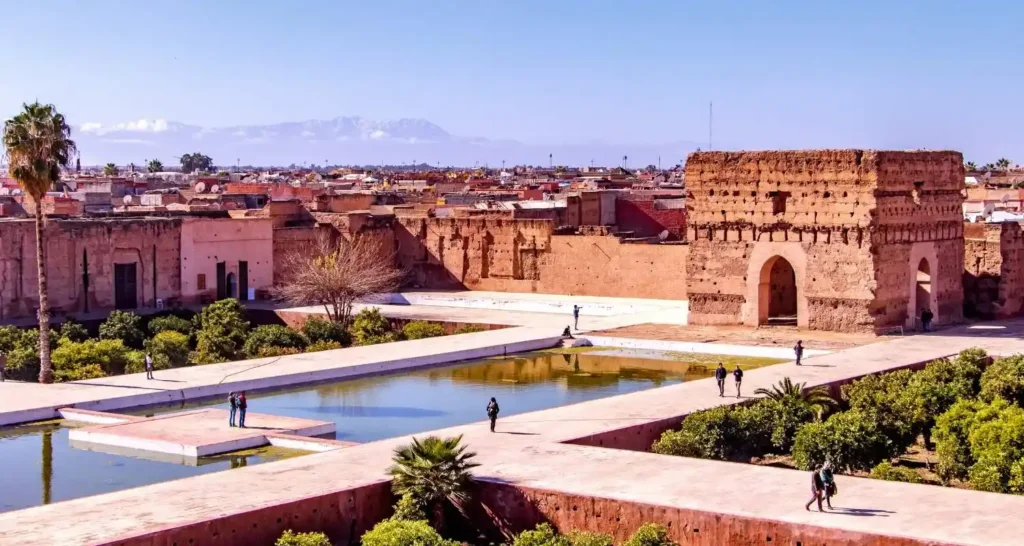
Medina of Marrakech
Known as the “Red City,” Marrakech has captivated travelers for centuries. Its UNESCO World Heritage Sites in Morocco-listed Medina is famous for:
- Historic palaces
- Traditional riads
- Bustling souks
- Ancient mosques
- Handcrafted artisan workshops
At its center lies the legendary Jemaa el-Fnaa Square, where storytellers, musicians, snake charmers, and food vendors create one of the world’s most vibrant public spaces.
Don’t miss:
- Bahia Palace
- Saadian Tombs
- Koutoubia Mosque
- Secret Gardens
-
Ksar of Ait Ben Haddou
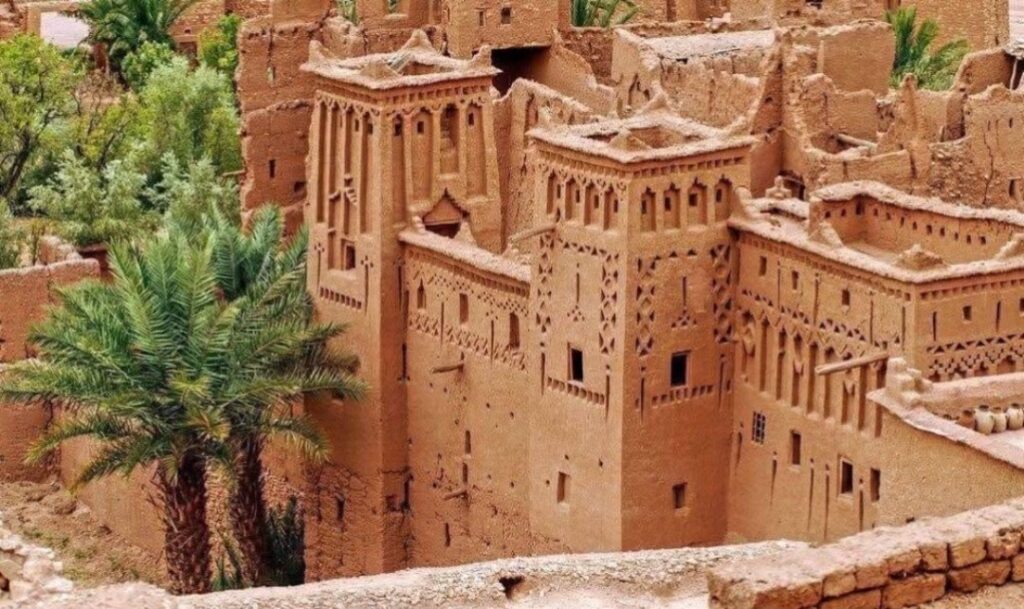
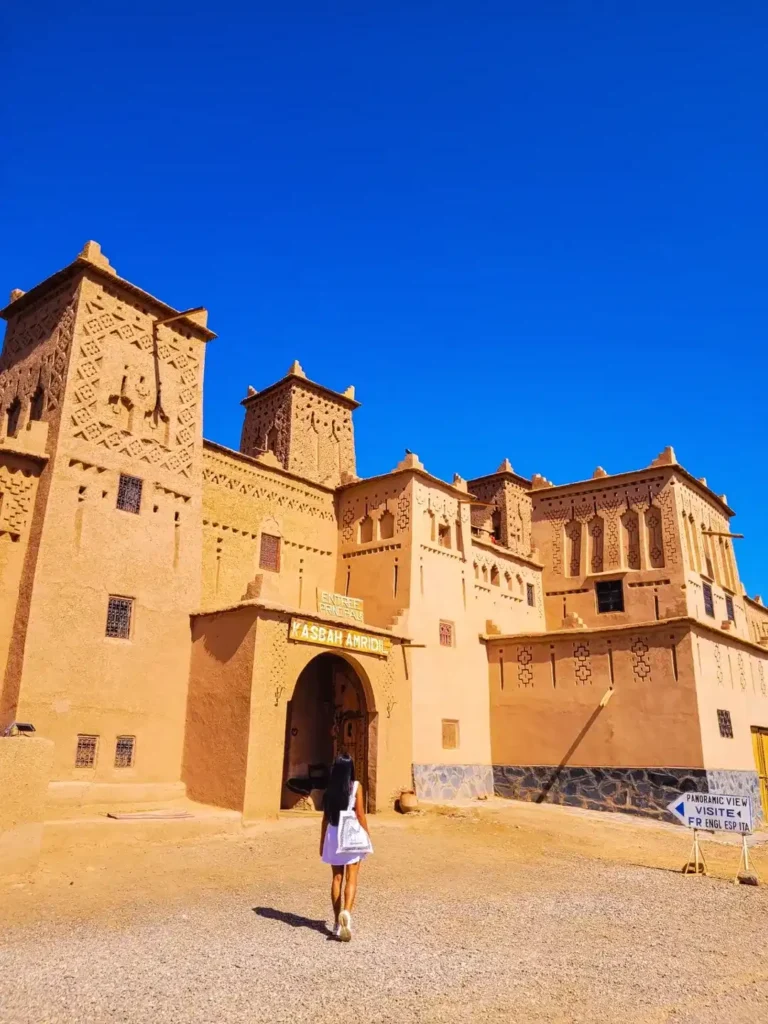
Located along the ancient caravan route between the Sahara Desert and Marrakech, Ait Ben Haddou is Morocco’s most famous fortified village.
Built entirely from earth and clay, this magnificent ksar has served as the backdrop for numerous international films and television productions.
Visitors can:
- Wander through centuries-old alleys
- Climb to the hilltop granary
- Enjoy panoramic desert views
- Learn about Amazigh architecture
Sunrise and sunset are particularly magical.
-
Historic City of Meknes
Built during the reign of Sultan Moulay Ismail in the 17th century, Meknes became one of Morocco’s four Imperial Cities. Often overlooked compared to Fez or Marrakech, Meknes offers:
- Monumental gates
- Royal granaries
- Historic stables
- Peaceful medina
- Beautiful plazas
Its blend of Islamic and European architectural influences makes it truly unique. Nearby Volubilis makes an excellent day trip.
-
Archaeological Site of Volubilis
Volubilis represents Morocco’s remarkable Roman heritage. Once a prosperous Roman city, the archaeological site preserves:
- Magnificent mosaics
- Roman basilica
- Triumphal arch
- Ancient temples
- Residential villas
Walking among these remarkably preserved ruins provides fascinating insight into life nearly two thousand years ago.
Volubilis is one of the best-preserved Roman archaeological sites in Africa.
-
Medina of Tetouan
Nestled against the Rif Mountains, Tetouan showcases strong Andalusian influence.
Following the Reconquista in Spain, many Muslim and Jewish refugees settled here, creating one of Morocco’s most distinctive cities.
The medina features:
- Whitewashed houses
- Beautiful courtyards
- Narrow streets
- Artisan workshops
- Traditional markets
Its unique blend of Moroccan and Andalusian architecture sets it apart from every other medina.
-
Medina of Essaouira
Essaouira combines Atlantic Ocean charm with centuries of maritime history.
Formerly known as Mogador, this fortified coastal city features:
- Historic ramparts
- Fishing harbor
- White and blue architecture
- Art galleries
- Seafood restaurants
- Relaxed atmosphere
The city became an important international trading port linking Europe, Africa, and the Americas.
Today, Essaouira is also famous for its artistic community and annual music festivals.
-
Portuguese City of Mazagan (El Jadida)
Built by the Portuguese during the early 16th century, El Jadida represents one of the earliest examples of Renaissance military architecture outside Europe.
Visitors can explore:
- Massive defensive walls
- Historic cistern
- Portuguese churches
- Oceanfront fortifications
- Charming old town
Its famous underground cistern has become one of Morocco’s most photographed historical sites.
-
Rabat: Modern Capital and Historic City
Rabat successfully combines ancient history with modern urban planning.
Its UNESCO inscription recognizes this remarkable balance between heritage and contemporary development.
Must-see attractions include:
- Hassan Tower
- Mausoleum of Mohammed V
- Kasbah of the Udayas
- Andalusian Gardens
- Ancient city walls
- Royal Palace surroundings
Unlike many capitals, Rabat offers a peaceful atmosphere while preserving centuries of history.
Why Visit Morocco’s UNESCO Sites?
Each UNESCO site tells a different chapter of Morocco’s incredible story.
Together they reveal:
- Amazigh heritage
- Islamic civilization
- Roman occupation
- Andalusian influence
- Portuguese architecture
- Jewish history
- Medieval trade routes
- Imperial dynasties
No other destination in North Africa offers such remarkable cultural diversity within relatively short travel distances.
Suggested UNESCO Heritage Morocco Tour Itinerary
If you’re planning a comprehensive cultural journey, consider this route:
Day 1–2: Casablanca & Rabat
Day 3: Meknes & Volubilis
Day 4–5: Fez
Day 6: Chefchaouen (optional)
Day 7: Tetouan
Day 8: Essaouira
Day 9: Marrakech
Day 10: Ait Ben Haddou
This itinerary perfectly combines Morocco’s historical landmarks with scenic landscapes.
Best Time to Visit UNESCO World Heritage Sites in Morocco
The best seasons are:
- Spring (March–May): Mild temperatures and blooming landscapes.
- Autumn (September–November): Pleasant weather and ideal sightseeing conditions.
Summer can be very hot inland, while coastal cities such as Essaouira remain comfortable throughout the year.
Travel Tips UNESCO World Heritage Sites in Morocco
To make the most of your UNESCO journey:
- Hire knowledgeable local guides to understand the history behind each site.
- Stay in traditional riads for an authentic Moroccan experience.
- Dress respectfully when visiting religious or historic areas.
- Support local artisans by purchasing handmade crafts.
- Allow extra time to wander beyond the main attractions—you’ll often discover hidden architectural gems.
Why Travel with AFC Morocco Travel?
Exploring Morocco’s UNESCO World Heritage Sites becomes even more rewarding with expert local guidance.
At AFC Morocco Travel, we specialize in tailor-made private tours, small group journeys, luxury cultural experiences, and women-only adventures that connect travelers with Morocco’s authentic heritage.
Our experienced local team ensures comfortable transportation, carefully selected accommodations, expert guides, and unforgettable cultural encounters.
Whether you’re passionate about history, architecture, photography, or authentic local experiences, Morocco’s UNESCO treasures promise memories that will last a lifetime.