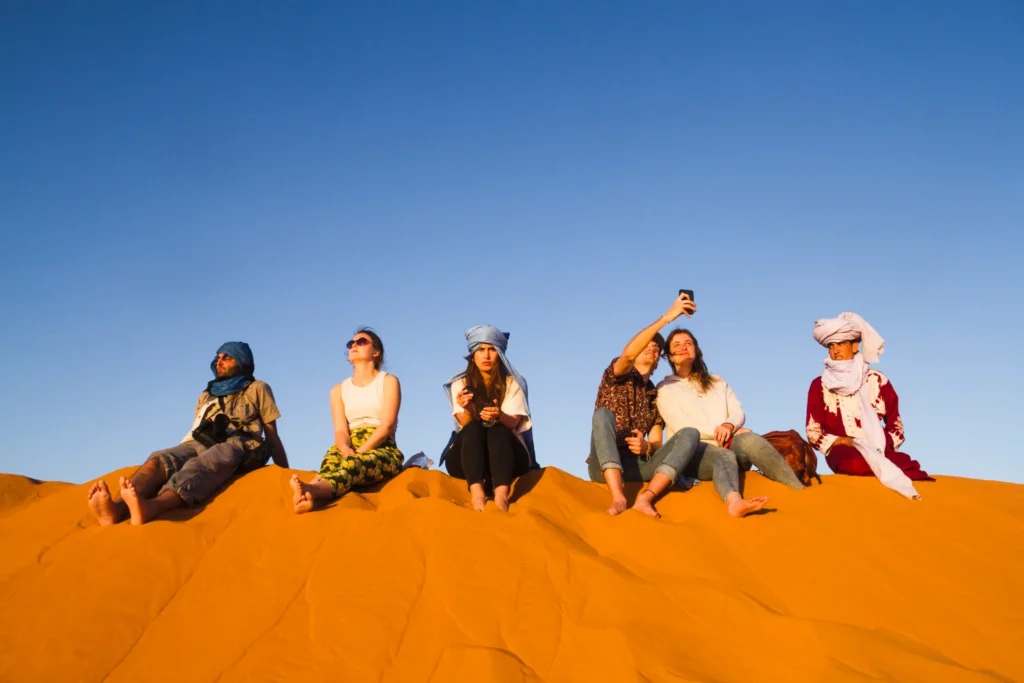
Morocco small group tours for women
The Ultimate Guide to Morocco Small Group Tours for Women: Sisterhood, Souks, and Saharan Stars
Morocco is a country that effortlessly captures the imagination. It is a land where ancient history meets vibrant modern culture, where the scent of orange blossoms and roasting cumin fills the air, and where every winding alleyway in a centuries-old medina tells a story. From the snow-capped peaks of the High Atlas Mountains to the rolling, golden crests of the Sahara Desert, Morocco offers an intoxicating sensory experience.
However, for many independent female travelers or solo adventurers, the prospect of navigating this complex, deeply traditional, and sometimes overwhelming North African gem alone can feel daunting.
That is exactly where **Morocco small group tours for women** come into play.
In recent years, the travel landscape has shifted significantly. Women are no longer waiting for the perfect travel partner to appear; they are seeking out curated, safe, and deeply immersive experiences designed specifically by women, for women. Opting for **women’s small group Morocco tours** isn’t just about safety and convenience—though those are massive benefits. It is about fostering a unique sense of sisterhood, unlocking cultural spaces that are traditionally closed to mixed-gender groups, and supporting local female empowerment.
Whether you are a seasoned solo female traveler looking for a seamless way to explore North Africa or a first-time adventurer eager to cross the Sahara off your bucket list, this comprehensive guide will unpack everything you need to know about embarking on Moroccan tours for women.
Why Choose Women’s Small Group Morocco Tours?
When planning a trip to North Africa, you have several choices: travel entirely solo, join a massive commercial tour group, or opt for a tailored boutique experience. For an environment as culturally intricate as Morocco, a female-focused small group tour offers an unparalleled balance of independence, cultural depth, and security.
1. Safety, Peace of Mind, and Stress-Free Logistics
Let’s address the elephant in the room directly: safety and street attention. While Morocco is generally a safe country for tourists, solo female travelers frequently report experiencing high levels of verbal hassling, intense bargaining pressure in the souks, and general navigation fatigue.
When you join one of the top-tier **Morocco small group tours for women**, that underlying baseline of anxiety completely evaporates.
Vetted Accommodations: Every boutique riad and luxury desert camp is hand-selected and continuously vetted for safety, comfort, and exceptional hospitality.
Seamless Transportation: Instead of haggling with local taxi drivers or figuring out confusing bus schedules, you travel in private, air-conditioned vans with professional, trusted drivers.
Expert Local Guides: Having a licensed, knowledgeable local guide—especially a female guide—means you have an immediate cultural bridge and protector. You can wander the labyrinth of the Fes or Marrakech medinas with total confidence, focusing on the beauty around you rather than looking over your shoulder.
2. The Power of Sisterhood and Shared Connections
There is a distinct magic that occurs when a group of like-minded women travel together. **Women’s small group Morocco tours** typically attract curious, open-minded, and inspiring travelers from all walks of life. You might find yourself sharing a rooftop mint tea with a retired teacher from Australia, a corporate executive from New York, and a creative designer from London.
Traveling in a small group (ideally capped at 10 to 12 participants) fosters deep, organic friendships. You are all sharing the awe of watching a Sahara sunset, the laughter of trying to roll couscous by hand, and the vulnerability of experiencing a traditional Moroccan hammam. By the end of the journey, you aren’t just a tour group; you are a supportive sisterhood.
3. Access to Private Female Spaces and Deeper Cultural Immersion
Morocco is a visually stunning country, but its true beauty lies within its culture and its people. In a patriarchal society like Morocco, traditional spaces are often divided by gender. A mixed-gender tour group or a solo male traveler cannot step foot into certain spaces or engage intimately with local women.
A women-only group dynamic opens doors that remain firmly shut to the public. On **women-only tours Morocco**, you are granted access to the private lives and spaces of Moroccan women. You can sit cross-legged in a rural village home, sharing private conversations with Amazigh (Berber) matriarchs about family life, marriage, and changing societal roles. You can enter local bathhouses without hesitation and share unfiltered stories with female entrepreneurs who are radically reshaping Morocco’s economic future.
4. Supporting Local Female Empowerment
One of the most rewarding aspects of modern sustainable travel is ensuring your tourism dollars go directly to the communities you visit. High-quality **Morocco small group tours for women** place a heavy emphasis on ethical travel and female empowerment.
Your itinerary will frequently include visits to female-run argan oil cooperatives, women’s weaving collectives, and local embroidery associations. By purchasing textiles, skincare products, and pottery directly from these women, you are providing them with financial independence, helping fund education for their daughters, and preserving centuries-old artisanal traditions. Furthermore, choosing tours that hire local female guides provides high-paying, empowering career paths for Moroccan women within the tourism industry.
Top Iconic Destinations on a Female-Only Moroccan Adventure
A well-rounded itinerary for **women’s small group Morocco tours** should span the diverse geographical landscapes of the country, moving smoothly from imperial cities to mountain peaks, and finally to the coastal breezes of the Atlantic. Here are the cornerstone destinations that make up an unforgettable Moroccan journey.
“`
+——————+——————————————————–+
| Destination | Highlights for Women’s Small Group Tours |
+——————+——————————————————–+
| Marrakech | Souks, Bahia Palace, Majorelle Gardens, Cooking Classes|
| Fes | Medieval Medina, Chouara Tannery, Pottery Cooperatives |
| Chefchaouen | Photogenic Blue Alleys, Rif Mountains, Peaceful Vibes |
| Sahara Desert | Camel Trekking, Luxury Glamping, Campfires & Drumming |
| Atlas Mountains | Berber Village Walks, Scenic Gorges, Rug Collectives |
| Essaouira | Coastal Seafood, Bohemian Art, Argan Oil Cooperatives |
+——————+——————————————————–+
Marrakech: The Vibrant Heartbeat of the South
Your journey will almost certainly include Marrakech, the legendary “Red City.” Marrakech is an assault on the senses in the best possible way. The center of action is Jemaa el-Fnaa, a massive public square that comes alive at sunset with snake charmers, storytellers, musicians, and open-air food stalls.
For women’s groups, Marrakech offers the perfect mix of high-energy exploration and boutique luxury. You’ll spend mornings wandering through the stunning architecture of the **Bahia Palace** and the serene, cobalt-blue pathways of the **Majorelle Garden** (immortalized by Yves Saint Laurent). In the afternoons, your guide will lead you through the specialized quarters of the souks, where you can browse for handmade leather pointed slippers (*babouches*), intricate brass lanterns, and high-quality spices without the stress of navigating the maze alone.
Fes: A Step Back in Time
If Marrakech is the cultural heart of Morocco, Fes is its spiritual and intellectual soul. Fes el-Bali is the world’s largest car-free urban area and a UNESCO World Heritage site. Walking into this medieval medina is like stepping through a portal into the 9th century.
A dedicated guided tour of Fes allows you to marvel at the intricate tilework (*zellige*) of the **Bou Inania Madrasa** and glance at the historic **Al-Qarawiyyin University**, recognized by UNESCO as the oldest continuously operating university in the world—founded, remarkably, by a visionary woman named Fatima al-Fihri. Your group will also visit the famous **Chouara Tannery**, viewing the multi-colored stone vessels of dye from a safe, mint-sprig-scented terrace, before heading to women-led embroidery or pottery cooperatives in the afternoon.
Chefchaouen: The Blue Dream of the Rif Mountains
Tucked away in the northern Rif Mountains lies Chefchaouen, famously known as the “Blue City.” Every wall, staircase, door, and path in this tranquil town is painted in varying shades of captivating blue, creating a surreal, dreamlike atmosphere.
Chefchaouen offers a much calmer, laid-back pace compared to the intense energy of Marrakech or Fes. It is a favorite destination on **Morocco small group tours for women** because of its immensely safe, peaceful streets and incredibly photogenic corners. Here, you can enjoy relaxed walking tours, shop for unique regional wool garments, and watch the sunset over the valley from the Spanish Mosque while breathing in the crisp mountain air.
Insider Travel Tip: The blue paint in Chefchaouen is refreshed multiple times a year by local residents. It’s not just for aesthetics; historically, the blue was introduced by Jewish refugees as a reminder of heaven, and practically, it helps keep houses cool and deters mosquitoes!
The Sahara Desert (Merzouga): Magic and Stars in the Dunes
No trip to North Africa is complete without experiencing the sheer majesty of the Sahara Desert. The journey to the dunes of Erg Chebbi in Merzouga takes you through dramatic changing landscapes—from palm-fringed oases to rocky desert plains.
Arriving at the edge of the dunes, your female travel group will trade your van for a caravan of camels, riding into the deep desert as the sun sinks below the horizon, painting the sand in hues of crimson and gold. You’ll spend the night at a luxury desert camp, complete with beautifully decorated glamping tents featuring private porcelain bathrooms and plush beds.
The evening is spent gathered around a cracking campfire, eating a rich, slow-cooked tagine, listening to traditional Saharan drumming and storytelling by local Amazigh musicians, and gazing up at a night sky completely free of light pollution, where the Milky Way is visible to the naked eye.
Aït Benhaddou and the High Atlas Mountains
As you transition between the imperial cities and the desert, you will cross the jaw-dropping **Tizi n’Tichka pass** in the High Atlas Mountains. Along the way, you’ll explore **Aït Benhaddou**, an ancient, fortified earthen clay city (a *ksar*) that has served as the backdrop for iconic films like *Gladiator* and *Lawrence of Arabia*.
In the Atlas Mountains, the focus shifts toward nature and rural communities. You will walk through fertile valleys, pass terraced fields of barley and almonds, and see local women tending to their livestock. Stopping at a mountain village for a glass of wild thyme or mint tea gives your group an authentic look at the warmth and hospitality of indigenous Berber culture.
Essaouira: Coastal Breezes and Bohemian Vibes
To cap off an intensive tour of Morocco, a visit to the breezy Atlantic coastal town of Essaouira is highly recommended. With its whitewashed buildings, bright blue shutters, and historic sea fortresses, Essaouira feels entirely distinct from the rest of the country.
The town’s medina is airy, wide, and exceptionally easy to navigate. It is a haven for artists, musicians, and windsurfers. For women’s groups, it represents the ultimate space to unwind. You can spend your days enjoying fresh, grilled seafood caught that morning at the port, browsing boutique silver jewelry shops, and walking along the sweeping sandy beach as the Atlantic waves crash against the ramparts.
Exclusive Cultural Experiences Crafted Specifically for Women
The true differentiator of high-end **women’s small group Morocco tours** is the inclusion of specialized, highly experiential activities that move past generic sightseeing and deep into hands-on cultural connection.
1. The Traditional Hammam Ritual: The Ultimate Pampering
A Moroccan hammam is not just a spa treatment; it is an foundational cultural ritual. Historically, the public hammam was the primary place where Moroccan women, who spent much of their time managing households, could gather to socialize, gossip, relax, and wash away the stresses of the week.
On a female-focused group tour, you will bypass the crowded public bathhouses for an upscale, authentic boutique hammam experience. The ritual begins in a heated, steam-filled marble room where your skin is softened. Next, a professional bath attendant (*tiyaba*) uses traditional Moroccan black soap (*savon noir*) made from olive oil and eucalyptus to coat your skin before rigorously exfoliating you from head to toe with a specialized kessa glove.
After a mineral-rich Atlas Mountain clay (*ghassoul*) mask is applied and rinsed away, you emerge feeling completely reborn with impossibly soft skin. Experiencing this authentic ritual alongside your fellow female travelers is an incredibly bonding, liberating, and culturally eye-opening experience.
2. Hands-On Moroccan Cooking Classes with a Female Master Chef
Moroccan cuisine is world-renowned for its intricate flavor profiles, blending sweet, savory, and earthy spices like saffron, cinnamon, turmeric, and ginger. While many luxury restaurants feature male chefs, the true keepers of Moroccan culinary secrets are the *Dadas*—traditional female chefs who have passed down recipes through generations by memory and taste.
Your group will participate in an intimate cooking class, often hosted at an organic garden estate or a historic riad kitchen like La Maison Arabe. Under the patient guidance of a local female chef, you will learn how to:
* Properly balance spices for a classic chicken tagine with preserved lemons and olives.
* Fire-roast and peel eggplants for *zaalouk* (a rich Moroccan eggplant dip).
* Bake traditional flatbread (*khobz*) from scratch.
* Master the art of pouring Moroccan mint tea from a height to create the perfect layer of foam (the “turban”) at the top of the glass.
The best part of the experience is sitting down together on a shaded patio afterward to enjoy the magnificent multi-course feast you created with your own hands, paired with crisp local Moroccan gris wine.
3. Visits to Empowering Women’s Cooperatives
As you journey across the country, your itinerary will consciously incorporate stops at registered, ethical women’s cooperatives.
In the southwestern plains, you will visit an **Argan Oil Cooperative**. Here, you will witness indigenous Amazigh women sitting together, cracking hard argan nuts between stones with incredible speed and precision to extract the rich kernels inside. They will explain the painstaking process required to produce both culinary argan oil (perfect for dipping fresh bread) and cosmetic argan oil (the ultimate liquid gold for skin and hair health).
In the High Atlas Mountains, you will visit a **Rug Weaving Collective**. You will learn how local women shear, dye, spin, and hand-knot sheep’s wool into spectacular geometric rugs. Every single line and pattern woven into a Berber rug tells a specific story—representing themes of fertility, protection, nature, or personal lineage. Purchasing a rug directly from the woman who spent months weaving it ensures that 100% of the profit remains in her hands, directly supporting her family’s financial stability.
4. Interactive Arabic & Berber Calligraphy Workshops
Language is a window into the soul of a culture. Some specialized **Morocco small group tours for women** include a private workshop led by a local female artist or calligrapher. You will learn about the historical importance of the Arabic script and the Tifinagh (Berber) alphabet. Armed with a traditional reed pen (*qalam*) and ink, you will practice drawing the elegant, flowing lines of ancient scripts, creating a beautiful, personalized piece of art to take home as a deeply meaningful souvenir.
The Perfect 12-Day Morocco Small Group Tour Itinerary
To experience the full tapestry of Morocco without feeling rushed, a 10-to-12-day timeframe is ideal. Below is a carefully paced, comprehensive sample itinerary designed to maximize cultural immersion, comfort, and safety for a female small group travel dynamic.
Day 1: Arrival in Casablanca – The Gateway
Activity: Arrive at Mohammed V International Airport (CMN). Your private driver will greet you outside of customs and transfer you to your elegant boutique hotel.
Evening: Meet your dedicated female tour leader and your fellow travelers for an intimate welcome dinner at a beautifully restored restaurant, setting intentions for the journey ahead.
Inclusions: Airport transfer, Welcome Dinner, Accommodation.
Day 2: Casablanca to Chefchaouen via Rabat
Morning: Take a guided tour of the magnificent **Hassan II Mosque** in Casablanca, one of the few functioning mosques open to non-Muslims, featuring a spectacular retractable roof and dramatic views over the Atlantic Ocean.
Afternoon: Drive north through **Rabat**, the green capital city, stopping to see the majestic Hassan Tower and the picturesque blue-and-white walled Oudayas Kasbah. Continue into the Rif Mountains.
Evening: Arrive in **Chefchaouen**, the Blue City. Settle into a charming, family-run riad and enjoy a home-cooked dinner on the rooftop terrace overlooking the illuminated mountains.
Inclusions: Breakfast, Entrance Fees, Dinner, Accommodation.
Day 3: Wandering the Blue Dream of Chefchaouen
Morning: Enjoy a relaxed, guided walking tour through the peaceful, blue-washed labyrinth of Chefchaouen’s medina. Your guide will take you to the most beautiful, hidden alleys away from the crowds, explaining the history of this unique mountain town.
Afternoon: Free time for shopping, photography, or enjoying an espresso at a café in the main square, Outa el-Hammam. Optional short hike up to the Spanish Mosque for a panoramic view of the valley.
Inclusions: Breakfast, Guided Tour, Accommodation.
Day 4: Roman Ruins of Volubilis, Meknes, and Fes
Morning: Depart the Rif Mountains and head south to the UNESCO World Heritage site of **Volubilis**. Walk among exceptionally preserved ancient Roman mosaics, triumphal arches, and columns with a specialized archaeological guide.
Afternoon: Stop briefly in the imperial city of **Meknes** to view the monumental Bab Mansour gate. Continue your drive to the ancient spiritual city of Fes.
Evening:** Check into a breathtakingly opulent, historic riad in the heart of the Fes medina. Enjoy a peaceful dinner inside the riad courtyard surrounded by singing fountains and masterfully carved stucco walls.
Inclusions:** Breakfast, Archaeological Guide, Dinner, Accommodation.
Day 5: Fes Medina Discovery & Female Perspectives
Morning:** Embark on a comprehensive historical walking tour of Fes el-Bali. Navigate the narrow, bustling streets, visiting the Bou Inania Madrasa, the historic tanneries, and the exterior of the Royal Palace gates.
Afternoon:** Enjoy an exclusive hosted lunch inside a private family home within the medina. Afterward, visit a local women’s embroidery association to discuss education and economic autonomy with the workshop director.
Inclusions:** Breakfast, Hosted Lunch, Guided Medina Tour, Accommodation.
Day 6: Cedar Forests, Alpine Ifrane, and the Ziz Valley
Morning:** Leave Fes and ascend into the Middle Atlas Mountains. Pass through **Ifrane**, often referred to as the “Switzerland of Morocco” due to its clean alpine architecture and snowy winters. Stop in the fragrant cedar forests of Azrou to observe native Barbary macaque monkeys playing in the tree canopies.
* **Afternoon:** Drive through the dramatic landscapes of the **Ziz Valley**, a massive canyon carved by a river, bursting with hundreds of thousands of green date palms against a backdrop of red desert rock.
* **Evening:** Arrive at a stunning kasbah-style eco-lodge at the gates of the desert. Relax by the pool under the palms.
Inclusions:** Breakfast, Dinner, Accommodation.
Day 7: Journey into the Golden Dunes of the Sahara
Morning:** Take a short drive to the desert hub of Merzouga. Visit the nearby village of Khamlia to listen to soul-stirring, traditional spiritual Gnawa music performed by descendants of formerly enslaved sub-Saharan Africans.
* **Afternoon:** Meet your camel caravan. Mount your camel (or opt for a 4×4 vehicle transfer) and trek deep into the golden sand dunes of Erg Chebbi as the sun sets over the desert expanse.
* **Evening:** Arrive at your luxury desert glamping camp. Indulge in a magnificent multi-course traditional feast, followed by a campfire celebration featuring live Saharan drumming, singing, and stargazing beneath an unpolluted night sky.
Inclusions:** Breakfast, Lunch, Desert Dinner, Camel Trek, Luxury Desert Camp.
Day 8: Todra Gorge and the Valley of the Roses
Morning:** Wake up early to catch a breathtaking desert sunrise over the crest of the dunes. After a hearty outdoor breakfast, travel out of the desert toward the spectacular **Todra Gorge**, a massive limestone canyon with sheer rock walls rising 300 meters high.
* **Afternoon:** Drive through the beautiful **Dades Valley** and the scenic Valley of the Roses, famous for its wild Persian rose cultivation used to produce organic rosewater, soaps, and oils.
* **Evening:** Rest at a boutique boutique hotel carved directly into the mountain valley cliffs, enjoying fresh, locally sourced food.
Inclusions:** Breakfast, Dinner, Accommodation.
Day 9: Ait Benhaddou to Marrakech across the High Atlas
Morning:** Explore the iconic, fortified clay village of **Kasbah Aït Benhaddou**, climbing to the ancient granary at the peak for panoramic views of the surrounding desert oases.
* **Afternoon:** Wind your way across the High Atlas Mountains via the panoramic Tizi n’Tichka pass (2,260 meters elevation), stopping at a female-run argan oil cooperative along the route. Descend into the bustling, colorful city of Marrakech.
* **Evening:** Check into your stunning Marrakech medina riad. Take a relaxed evening stroll to Jemaa el-Fnaa square to witness the vibrant night market.
Inclusions:** Breakfast, Guided Kasbah Tour, Accommodation.
Day 10: Marrakech Medina Exploration & Ultimate Hammam
Morning:** Take a half-day guided historical walking tour of Marrakech. Explore the beautiful architectural details of the Bahia Palace, see the Koutoubia Mosque, and weave through the vibrant artisan souks.
* **Afternoon:** Retreat from the intense heat and energy of the city into a luxurious private spa for your traditional Moroccan black soap scrub and steam hammam ritual.
Evening:** Free evening to explore Marrakech’s modern neighborhood, Gueliz, or enjoy a sunset mocktail on a trendy medina rooftop.
Inclusions:** Breakfast, Guided Tour, Premium Hammam Experience, Accommodation.
Day 11: The Ultimate Culinary Finale & Farewell
Morning:** Spend a tranquil morning visiting the Majorelle Garden and the adjacent Yves Saint Laurent Museum, marveling at the interplay between high fashion and Moroccan design.
* **Afternoon:** Participate in an exclusive hands-on cooking masterclass led by a renowned female *Dada* chef. Learn to make authentic tagines and side salads completely from scratch.
* **Evening:** Gather for a spectacular final farewell dinner at a high-end Moroccan palace restaurant, celebrating the lifelong connections, stories, and sisterhood forged over the last twelve days.
Inclusions:** Breakfast, Masterclass Cooking Class & Lunch, Farewell Dinner, Accommodation.
Day 12: Farewell Morocco – Departure
Activity:** Enjoy a final breakfast together in the riad courtyard. Say goodbye to your travel sisters before your private driver transfers you to Marrakech Menara Airport (RAK) or Casablanca Airport (CMN) for your journey home.
Inclusions:** Breakfast, Private Airport Transfer.
Essential Safety, Etiquette, and Cultural Tips for Women in Morocco
To ensure your journey on **Morocco small group tours for women** is as seamless and enjoyable as possible, it is vital to understand local cultural norms, dress codes, and social etiquettes. Morocco is a beautiful blend of progressive modernity and conservative Islamic tradition. Being a respectful traveler will drastically enhance your interactions with locals.
What to Wear: Navigating Modesty with Comfort and Style
Morocco is a conservative, majority-Muslim nation. While you will see tourists wearing shorts and tank tops in modern sections of Marrakech or inside private resorts, dressing modestly when exploring public spaces, ancient medinas, and rural villages is highly recommended. It shows deep cultural respect and significantly reduces unwanted male attention.
Cover Your Shoulders and Knees: Keep your shoulders, chest, and knees covered. Opt for lightweight, breathable fabrics like linen, loose cotton, and rayon to stay cool while remaining modest.
Embrace Layers:** Maxi dresses, loose midi skirts, wide-leg linen pants, and flowy jumpsuits are perfect options for a chic yet culturally appropriate wardrobe.
Carry a Scarf:** Always pack a lightweight scarf or pashmina in your daypack. It is incredibly versatile—you can use it to cover your head when visiting religious sites, protect your face from blowing sand during your Sahara camel trek, or wrap around your shoulders if the temperature drops in the evenings.
Footwear Matters:** Expect to walk anywhere from 10,000 to 15,000 steps a day on uneven surfaces, cobblestones, and stairs. Bring broken-in, comfortable walking sandals or supportive sneakers. Leave high heels at home.
Navigating the Souks: The Fine Art of Haggling
Shopping in a Moroccan souk is a high-octane sport. Shopkeepers are exceptionally charismatic, persuasive, and multilingual.
Stay Calm and Smile: If a shopkeeper approaches you and you are not interested in buying, simply smile warmly, say *”No, Shukran”* (No, thank you), and keep walking. Do not feel guilty about walking away.
The 50% Rule of Bargaining: Bargaining is an integral part of Moroccan commerce and culture. It is treated as an interactive social exchange. If you find an item you love (like a leather bag, ceramic bowl, or pair of slippers), let the vendor name the initial price. A good rule of thumb is to counter with roughly 50% of their starting offer, and negotiate toward a mutually satisfying middle ground.
Let Your Guide Assist: If you are unsure if you are getting a fair price, lean on your local female tour leader. They can subtly tell you if a price is reasonable or direct you to ethical shops with fixed, transparent pricing.
Photos and Tipping (Baksheesh)
Morocco has a strong tipping culture, locally known as *baksheesh*. It is customary to tip drivers, restaurant servers, hotel porters, and local city guides.
When it comes to photography, always ask for permission before taking close-up photos of local people, especially women and children. A simple *”S’il vous plaît?”* while pointing to your camera is usually sufficient. If you take a photo of performers, snake charmers, or water sellers in public squares like Jemaa el-Fnaa, expect to pay a small tip (10 to 20 Dirhams) for the privilege.
Ultimate Packing List for Women Traveling to Morocco
Packing for **women’s small group Morocco tours** requires careful consideration of fluctuating climates. The desert can be scorching hot during the day but drop to near-freezing at night, while the coastal areas bring breezy, damp Atlantic winds.
+———————————–+———————————–+
| Clothing & Apparel | Toiletries & Essentials |
+———————————–+———————————–+
| • 3-4 Loose linen or cotton pants | • High-SPF broad-spectrum sunscreen|
| • 2 Maxi dresses or long skirts | • Deeply hydrating face moisturizer|
| • 4-5 Modest t-shirts / blouses | • Hand sanitizer & wet wipes |
| • 1 Lightweight cardigan or denim | • Immodium & basic rehydration salts|
| • 2 Lightweight pashmina scarves | • Lip balm with SPF protection |
| • 1 Swimsuit (for riad plunge pools)| • Universal travel plug adapter |
| • Comfort walking sneakers | • Power bank for long desert drives|
| • Breathable leather sandals | • Biodegradable body wipes |
+———————————–+———————————–+
How to Choose the Right Women’s Small Group Morocco Tour
With the booming popularity of female-focused group travel, there are numerous tour operators offering varied experiences. To ensure you choose the itinerary that best aligns with your personality and travel style, look for these critical components:
1. Group Size Constraints
Make sure to check the maximum capacity of the group before booking. True connection happens in a small group environment. Avoid companies that classify a group of 30 to 40 people as a “small group.” The sweet spot for AFC Morocco Travel Morocco small group tours for women is between 8 and 14 travelers. This small footprint allows the group to stay in authentic, intimate boutique riads (which often only have 6 to 12 rooms total) rather than massive, soul-less commercial hotels outside the city centers.
2. Pacing and Physical Demand Ratings
Morocco is a physically engaging country to tour. Navigating the ancient medinas means walking on uneven pavement, climbing steep staircases in historic buildings, and standing for extended periods. Review the tour’s physical rating carefully. A stellar itinerary will balance high-energy exploration days with restful afternoons, spa treatments, and slow coastal retreats to avoid travel burnout.
3. All-Inclusive Transparency
Carefully read the “What’s Included” section of the tour package. To ensure a stress-free experience, look for an operator that includes:
* All domestic transportation within Morocco via private van.
* Airport arrival and departure transfers.
* Licensed local city guides and entrance fees to all historical sites.
* Daily breakfasts, as well as signature group dinners and hosted lunches.
* Gratuities for hotel staff, drivers, and restaurant servers (having these pre-handled by your tour operator removes immense daily hassle).
Your Sisterhood in the Desert Awaits
Morocco is far more than just a destination on a map; it is an unforgettable, transformative emotional journey. It is a country that challenges you, inspires you, and envelops you in its warmth.
By choosing to explore this magical kingdom through the lens of **Morocco small group tours for women**, you are unlocking the safest, most authentic, and deeply immersive version of North Africa possible. You will wander through vibrant souks without fear, laugh with local artisans in remote mountain villages, share intimate hammam rituals, and watch the Saharan stars align above the golden dunes alongside a supportive, lifelong sisterhood of global female travelers.
Are you ready to step through the ornate arches of North Africa and claim your place around the desert campfire? The tea is hot, the tagine is simmering, and Morocco is calling your name.
Frequently Asked Questions (FAQs) Morocco small group tours for women
Is it safe for a solo woman to join a small group tour in Morocco?
Absolutely. Joining a small group tour is widely considered the safest and most enjoyable way for women to experience Morocco. It eliminates the stress of navigating transport alone, provides an immediate protective buffer against aggressive vendors or street hassling, and ensures you are always accompanied by an expert local guide who understands the cultural landscape inside and out.
Do I need to wear a hijab or cover my head in Morocco?
No, non-Muslim female travelers are not required or expected to wear a hijab or cover their heads in public spaces in Morocco. The only exception is if your tour group enters an active house of worship or mosque that permits tourists, in which case you will simply use a lightweight scarf to cover your hair as a sign of religious respect.
What is the best time of year to go on a women’s tour to Morocco?
The optimal times of year to embark on **women’s small group Morocco tours** are during the shoulder seasons of spring (**March to May**) and autumn (**September to November**). During these months, the weather across the country is beautifully pleasant—offering warm daytime temperatures ideal for sightseeing and comfortably cool desert evenings, while avoiding the oppressive heat of the summer months.
How much cash should I carry daily, and can I use credit cards?
While high-end boutique riads, upscale restaurants, and modern shops in Marrakech and Casablanca readily accept major international credit cards (Visa and Mastercard), Morocco remains a predominantly cash-based society. You will need Moroccan Dirhams (MAD) for small purchases in the souks, street food stalls, public tipping, and taxi rides. It is recommended to carry roughly 200 to 500 Dirhams (approx. $20 to $50 USD) in cash daily for personal incidentals. Your tour leader will assist you in finding secure ATMs or currency exchanges upon arrival.