
Shopping in Morocco: The Ultimate Guide & Essential Tips for Smart Souvenir Hunting
Shopping in Morocco is much more than simply buying souvenirs—it’s an unforgettable cultural experience. From the vibrant souks of Marrakech to the artisan workshops of Fez, every city offers unique treasures that reflect centuries of craftsmanship, tradition, and creativity. Whether you’re looking for handcrafted rugs, leather goods, ceramics, spices, jewelry, or authentic Moroccan lanterns, you’ll discover products that tell a story.
However, shopping in Morocco can also be overwhelming for first-time visitors. The colorful maze of markets, enthusiastic vendors, and bargaining culture may seem intimidating if you don’t know what to expect.
This comprehensive shopping guide will help you understand where to shop, what to buy, how to negotiate prices respectfully, and how to avoid common tourist mistakes. By the end of this guide, you’ll feel confident exploring Morocco’s famous souks while finding authentic handmade treasures at fair prices.
Why Shopping in Morocco Is So Special
Morocco has been an important trading crossroads between Europe, Africa, and the Middle East for centuries. This rich history has created an extraordinary artisan culture that continues today.
Unlike many countries where products are mass-produced, many Moroccan goods are still handmade using traditional techniques passed down through generations.
Shopping here means supporting local families, craftsmen, and women cooperatives who preserve ancient skills such as:
- Hand-knotting Berber rugs
- Leather tanning
- Pottery making
- Wood carving
- Metal engraving
- Weaving
- Embroidery
- Basket weaving
- Traditional jewelry making
Every purchase carries a piece of Moroccan heritage.
Best Cities for Shopping in Morocco
Marrakech Shopping in Morocco
Marrakech is Morocco’s shopping capital. The Medina contains thousands of small shops selling nearly everything imaginable.
Popular Shopping in Morocco items include:
- Moroccan lamps
- Leather bags
- Carpets
- Argan oil
- Ceramics
- Handmade shoes (Babouches)
- Lanterns
- Clothing
- Spices
- Decorative home accessories
The souks are divided into sections according to craftsmanship, making it easier to browse.
Fez Shopping in Morocco
Fez is considered Morocco’s artisan capital.
If you’re looking for authentic craftsmanship rather than trendy souvenirs, Fez should be at the top of your list.
Famous products include:
- Leather goods
- Hand-painted ceramics
- Brass work
- Mosaic tables
- Traditional slippers
- Handmade textiles
The city’s famous tanneries continue producing leather using centuries-old methods.
Essaouira Shopping in Morocco
Essaouira offers a much more relaxed shopping experience. Instead of endless bargaining, prices are often more transparent.
Popular products include:
- Thuya wood crafts
- Silver jewelry
- Argan oil
- Handmade baskets
- Art galleries
- Coastal-inspired décor
Many travelers prefer shopping here because vendors are less aggressive.
Chefchaouen shoping guide
Known as Morocco’s Blue City, Chefchaouen offers unique handmade products such as:
- Wool blankets
- Woven scarves
- Local cheeses
- Goat leather bags
- Handmade soaps
- Natural cosmetics
The atmosphere is calm and ideal for leisurely shopping.
Casablanca Shopping in Morocco
Casablanca combines modern shopping malls with traditional markets.
You’ll find:
- International brands
- Luxury boutiques
- Shopping centers
- Local artisan shops
- Gourmet food stores
It’s perfect if you’re looking for both modern and traditional shopping.
What Should You Buy in Morocco?
Moroccan Rugs
Perhaps Morocco’s most famous export.
Each region produces distinctive styles:
Beni Ourain Rugs
- Soft wool
- Minimalist designs
- Cream backgrounds
- Black geometric patterns
Ideal for modern homes.
Azilal Rugs
- Bright colors
- Abstract artwork
- Contemporary appearance
Boucherouite Rugs
Made from recycled textiles.
Colorful and environmentally friendly.
Leather Goods
Moroccan leather is internationally recognized for its quality.
Popular purchases include:
- Handbags
- Wallets
- Jackets
- Belts
- Travel bags
- Poufs
- Slippers
Look for genuine leather with natural imperfections rather than perfectly uniform surfaces.
Ceramics
Moroccan pottery varies by region.
Popular colors include:
- Blue
- Green
- White
- Yellow
- Multicolored geometric designs
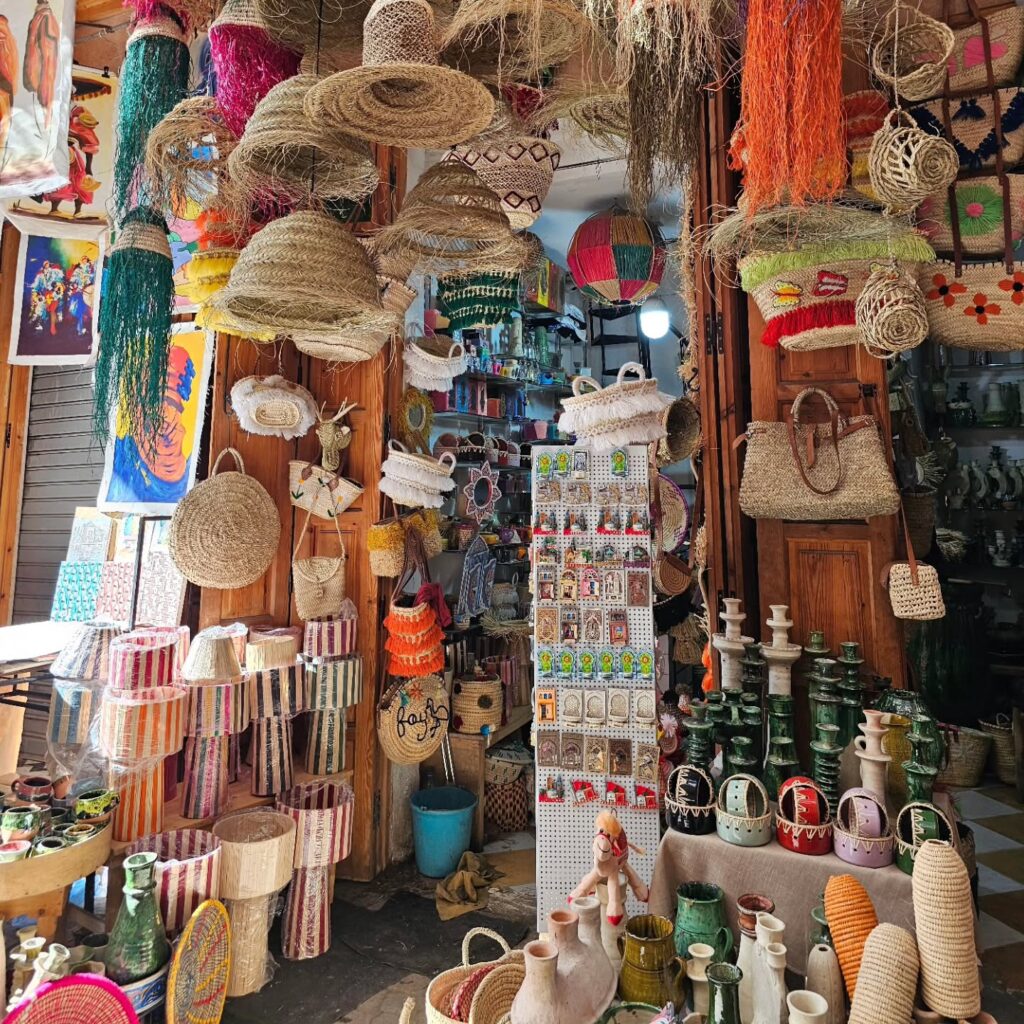
Popular Shopping in Morocco items:
- Plates
- Bowls
- Tagines
- Serving dishes
- Tea glasses
- Decorative tiles
Moroccan Lamps
Handmade brass and metal lanterns are among Morocco’s most iconic souvenirs. They create beautiful lighting patterns and make excellent home décor.
Choose from:
- Hanging lanterns
- Table lamps
- Wall sconces
- Ceiling pendants
Argan Oil
Authentic Moroccan argan oil is one of the country’s most famous natural products.
Available as:
- Culinary argan oil
- Cosmetic argan oil
- Hair treatments
- Face serums
- Moisturizers
Buy from reputable cooperatives rather than street vendors.
Spices
Moroccan spices are fresh, fragrant, and colorful.
Popular choices:
- Saffron
- Ras El Hanout
- Cumin
- Cinnamon
- Paprika
- Turmeric
- Ginger
- Pepper blends
Many vendors will vacuum-pack spices for travel.

Moroccan Tea Sets
A traditional Moroccan tea set makes an elegant souvenir.
Typically includes:
- Silver teapot
- Colorful glasses
- Serving tray
- Sugar container
Perfect for entertaining guests at home.
Babouches
Traditional Moroccan leather slippers are available in countless colors and styles.
They make practical gifts and are surprisingly comfortable once broken in.
Handmade Jewelry
Moroccan jewelry often incorporates:
- Silver
- Coral
- Amber
- Semi-precious stones
- Berber symbols
The south of Morocco is especially famous for Amazigh (Berber) silver jewelry.
Natural Beauty Products
Look for:
- Black soap
- Rhassoul clay
- Rose water
- Orange blossom water
- Argan oil
- Prickly pear seed oil
These products are widely used in traditional Moroccan hammams.

Understanding Bargaining in Morocco
Bargaining is part of Moroccan culture.
Think of it as a friendly conversation rather than a confrontation.
Most prices quoted in traditional souks are negotiable.
Tips for Successful Bargaining
Never Accept the First Price
The first price is often significantly higher than the expected selling price.
Be Friendly while Shopping in Morocco
- Smile.
- Be respectful.
- Enjoy the interaction.
- Moroccan merchants appreciate polite customers.
Know the Approximate Value
Walking around several shops before buying gives you an excellent idea of fair pricing.
Don’t Show Too Much Excitement
If you appear overly eager, sellers may assume you’re willing to pay more.
Be Prepared to Walk Away
Often, the best negotiation strategy is simply thanking the seller and continuing your walk.
Many vendors may call you back with a better offer.
Respect the Craftsmanship
Remember that handmade products require many hours—or even weeks—of work.
Avoid bargaining to unrealistically low prices.
Fair deals benefit everyone.
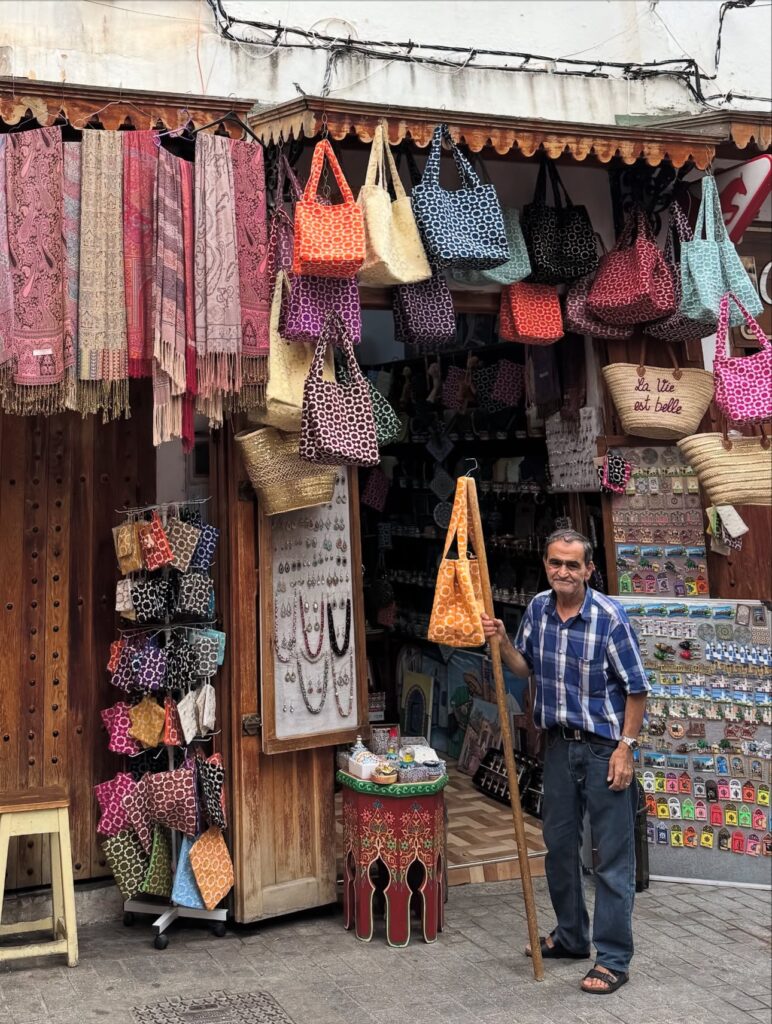
Shopping Etiquette
Following local customs creates a much more enjoyable experience.
Ask Before Taking Photos
Some artisans dislike photographs of their workshops or products.
Always ask permission.
Be Respectful
Shopping should feel like a cultural exchange rather than a competition.
Handle Products Carefully
Many ceramics and handmade items are fragile.
Carry Cash
Although many larger shops now accept credit cards, smaller vendors usually prefer cash.
Having smaller denominations is helpful.
Common Tourist Shopping Mistakes
Buying Too Quickly
Many visitors purchase the first item they see.
Instead, spend some time exploring before making a decision.
Forgetting Shipping Costs
Large rugs and furniture may require international shipping.
Ask about:
- Shipping fees
- Delivery time
- Insurance
- Customs paperwork
Buying Cheap “Authentic” Products
If something seems unbelievably inexpensive, it may not be handmade Authentic craftsmanship has value.
Ignoring Quality during Shopping in Morocco
Inspect products carefully.
Look for:
- Strong stitching
- Quality materials
- Smooth finishes
- Solid construction
Shopping for Food Souvenirs
Morocco offers wonderful edible gifts.
Popular options include:
- Mint tea
- Argan oil
- Saffron
- Dates
- Preserved lemons
- Almond pastries
- Honey
- Moroccan spice blends
Remember to check customs regulations before returning home.
Can You Use Credit Cards?
Major shops and boutiques usually accept:
- Visa
- Mastercard
Traditional souks often prefer cash.
ATMs are widely available throughout Morocco’s major cities.
Is Shopping Safe?
Yes. Morocco is generally very safe for Shopping in Morocco.
Basic precautions include:
- Keep valuables secure.
- Avoid carrying large amounts of cash.
- Use official exchange offices.
- Watch your belongings in crowded markets.
- Purchase expensive items from reputable stores.
Supporting Local Artisans
One of the best reasons to shop in Morocco is knowing your purchase helps preserve traditional craftsmanship.
Many cooperatives:
- Employ local women
- Support rural communities
- Preserve endangered artisan skills
- Promote sustainable tourism
Buying directly from artisans often means better quality and a more meaningful shopping experience.
Sustainable Shopping Tips
Responsible travelers can make a positive impact by:
- Choosing handmade products over factory-made souvenirs.
- Purchasing from artisan cooperatives.
- Avoiding products made from endangered wildlife or protected materials.
- Bringing reusable shopping bags.
- Supporting fair-trade businesses.
- Investing in quality items that will last for years.
Packing Your Purchases after Shopping in Morocco
If you plan to buy fragile souvenirs:
- Carry bubble wrap.
- Ask shops to package ceramics securely.
- Place heavy items at the bottom of your suitcase.
- Keep valuable items in your carry-on luggage.
- Consider shipping oversized purchases directly to your home.
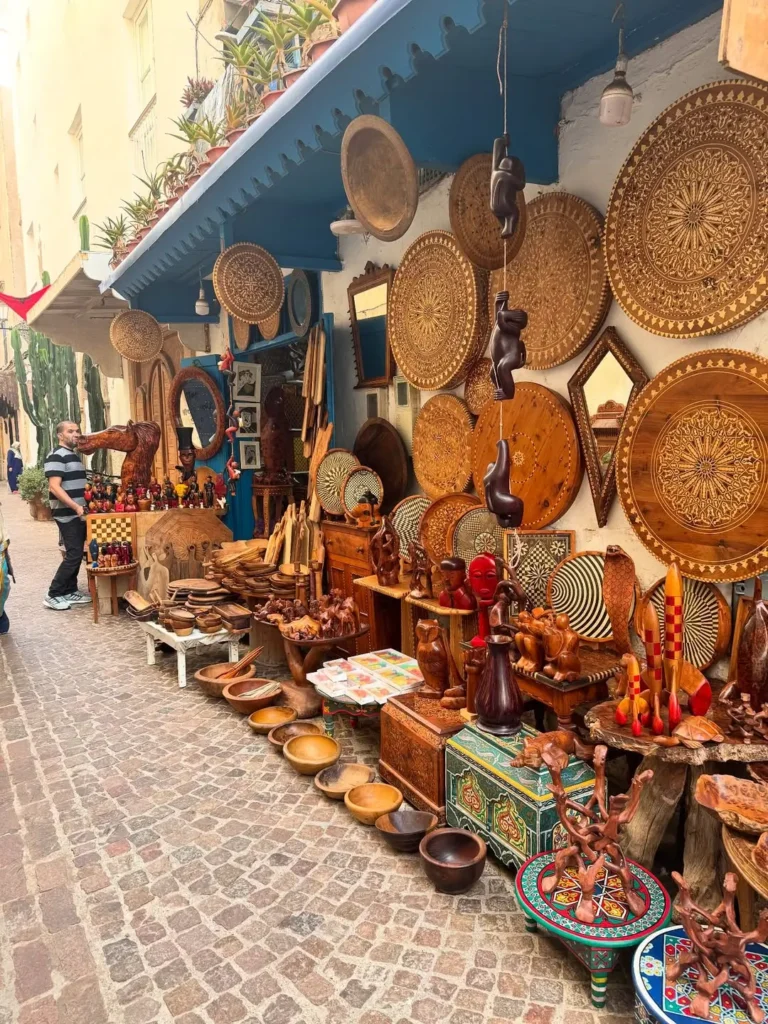
Final Thoughts for your Shopping in Morocco
Shopping in Morocco is one of the highlights of any journey through the country. Beyond the colorful markets and bustling souks lies a world of talented artisans, rich traditions, and timeless craftsmanship. Whether you’re searching for a handwoven Berber rug, beautifully painted ceramics, aromatic spices, luxurious argan oil, or handcrafted leather goods, every purchase tells a story and supports local communities.
Take your time, explore different markets, compare prices, and enjoy the art of friendly bargaining. Shopping here is not simply about buying souvenirs—it’s about connecting with Moroccan culture through its people, traditions, and creativity.
For the most authentic experience, consider joining a private guided tour with AFC Morocco Travel. Local guides can introduce you to trusted artisan workshops, explain the history behind traditional crafts, and help you shop with confidence while avoiding tourist traps. Whether you’re visiting Marrakech, Fez, Essaouira, or Chefchaouen, a knowledgeable local guide can transform your shopping experience into one of the most memorable parts of your Moroccan adventure.