
Ramadan in Morocco an
Introduction to Discover Morocco During Ramadan
Ramadan in Morocco is a unique time to discover the country’s culture, traditions, cuisine, and everyday life. This special month brings a different rhythm to cities, villages, and communities across the country. From the lively streets of Marrakech before sunset to the peaceful atmosphere of the desert at night, travelers can experience a more personal side of Morocco.
Ramadan in Morocco is an important month in the Islamic calendar, observed by Muslims through fasting from dawn until sunset, prayer, reflection, charity, and time spent with family. In Morocco, these traditions are deeply woven into daily life. Families prepare special meals, bakeries become busy before sunset, and public squares and neighborhood streets come alive after the evening meal.
For international visitors, traveling during Ramadan in Morocco can be a rewarding cultural experience. Although opening hours and daily schedules may change, most major destinations remain accessible, and guided tours, private excursions, desert adventures, and cultural visits can still be arranged.
Whether you are planning a city break in Marrakech, exploring the imperial cities, hiking in the Atlas Mountains, or taking a journey into the Sahara Desert, this guide will help you understand what Ramadan means in Morocco and how to make the most of your visit.
1. What Is Ramadan and Why Is It Important in Morocco?
Ramadan is the ninth month of the Islamic lunar calendar. It is considered one of the most significant periods of the year for Muslims worldwide.
During Ramadan in Morocco, observant Muslims abstain from food and drink from dawn until sunset. The month is also dedicated to prayer, generosity, self-discipline, family gatherings, and helping people in need.
In Morocco, Ramadan has a strong community spirit. Families often gather to prepare the evening meal, neighbors exchange food, and charitable initiatives support vulnerable members of society. The month encourages people to slow down, reflect, and spend more time with loved ones.
Because the Islamic calendar follows lunar cycles, Ramadan in Morocco moves approximately 10 to 11 days earlier each year in the Gregorian calendar. Its exact beginning depends on the sighting of the new moon and the official announcement in Morocco.
For travelers, this means it is important to check the expected dates before booking a holiday. The experience can also differ depending on the season: Ramadan in winter brings shorter fasting days, while Ramadan in summer means longer days and later evening activity.
2. What Is Daily Life Like During Ramadan in Morocco?
One of the first things visitors may notice during Ramadan in Morocco is the change in daily schedules.
Mornings: A Slower Start
Many businesses and offices open later or operate on adjusted schedules. Streets can feel quieter in the morning, especially in residential neighborhoods. Markets and shops may still be active, but their busiest periods can differ from the rest of the year.
This can be a pleasant time to explore historical sites, enjoy a guided walk, visit a garden, or discover the architecture of Morocco’s old cities.
Afternoons: Preparing for Sunset
As the afternoon progresses, activity often increases around food markets, bakeries, and neighborhood shops. Families buy fresh bread, dates, fruit, pastries, and ingredients for the evening meal.
Shortly before sunset, some streets become particularly busy as people head home to break their fast. Travelers should allow extra time for transfers, especially in large cities.
Evenings: A Different Kind of Energy during Ramadan in Morocco
After sunset, the atmosphere changes. Families gather for their evening meal, cafés and restaurants become busier, and people meet friends or visit relatives.
In many places, the streets become livelier later in the evening. Visitors may enjoy evening walks, traditional desserts, shopping, and the atmosphere of historic districts.
The contrast between the quieter daytime hours and the lively evenings is one of the most memorable aspects of experiencing Ramadan in Morocco.
3. Traditional Ramadan Food in Morocco
Food plays a central role in Ramadan, and visitors have an excellent opportunity to discover some of Morocco’s best-loved dishes.
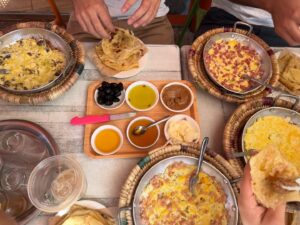
Harira is a popular Moroccan soup traditionally prepared with tomatoes, lentils, chickpeas, herbs, and spices. Some recipes include meat, while others are vegetarian.
It is commonly served to break the fast and is often accompanied by dates, bread, and sweet pastries. Recipes vary from family to family, making it an excellent introduction to Morocco’s home cooking.
Chebakia: A Sweet Ramadan Favorite
Chebakia is a traditional pastry shaped into intricate patterns, fried until golden, and coated with honey and sesame seeds. It is especially popular during Ramadan and is frequently served alongside harira.
Its rich sweetness makes it a distinctive seasonal treat.
Dates and Milk
Dates are traditionally eaten to break the fast, often accompanied by water or milk. They are widely available in Moroccan markets and are an important part of the evening table.
Briouats and Other Pastries
Briouats are small pastries that may contain savory fillings, such as meat or cheese, or sweet fillings made with almonds and honey. During Ramadan, bakeries and food stalls often offer a tempting variety of pastries.
The Evening Meal during Ramadan in Morocco
The first meal after sunset is often called iftar. It may begin with dates, water, soup, and pastries before continuing with additional dishes.
Depending on the household, the meal might include bread, eggs, salads, savory pastries, or a main course. Later in the evening, families may enjoy tea, coffee, and sweets.
Travel tip: A guided food experience during Ramadan in Morocco can be a wonderful way to learn about local culinary traditions. Ask your tour operator to arrange suitable meal times and, where possible, a respectful introduction to a local family’s food culture.

4. The Atmosphere of Marrakech During Ramadan
Marrakech offers a fascinating Ramadan experience because of its markets, historical monuments, gardens, and lively evening atmosphere.
During the day, visitors can explore the medina, admire traditional architecture, visit palaces, or discover the city’s gardens. Some businesses and attractions may operate with reduced or adjusted hours, so it is wise to confirm schedules in advance.
As sunset approaches, food shops and bakeries become busier. After the evening meal, parts of the medina regain their energy, and visitors can enjoy a different perspective on the Red City.
Jemaa el-Fnaa and the surrounding streets remain important places to experience Marrakech’s public life, although the exact atmosphere and operating hours of individual stalls can vary during Ramadan.
Travelers should remember that not every restaurant or café will operate on its usual schedule. Hotel restaurants and establishments serving visitors may offer daytime meals, but it is best to confirm availability before setting out.
For those interested in culture rather than simply sightseeing, Ramadan can provide a valuable opportunity to observe how traditions shape everyday life.
5. Ramadan in Fes: Traditions and Heritage
Fes is one of Morocco’s most rewarding destinations for travelers interested in history and traditional craftsmanship.
The old medina, historic religious architecture, artisan workshops, and traditional markets offer plenty to explore during Ramadan. Visitors can discover the city’s cultural heritage with a knowledgeable local guide while learning how daily routines change during the holy month.
The medina’s food shops and bakeries become particularly interesting before sunset, when residents prepare for the evening meal. After iftar, the city may become livelier as families and friends spend time together.
Because Fes is a city where traditional customs remain an important part of daily life, travelers should be especially attentive to local schedules and the needs of residents.
A guided visit can help visitors understand the significance of Ramadan while discovering the city’s remarkable architecture, craftsmanship, and culinary traditions.
6. Experiencing Ramadan in the Sahara Desert
A journey into the Sahara Desert during Ramadan offers a different experience from visiting Morocco’s larger cities.
Around Merzouga and the Erg Chebbi dunes, travelers can enjoy desert landscapes, camel excursions, visits to local communities, and overnight stays in desert camps, depending on the itinerary and services available.
The desert’s quiet atmosphere can make this time of year particularly memorable. Sunset over the dunes provides a beautiful setting for reflection and photography, while the clear night sky offers opportunities for stargazing.
However, Ramadan requires some practical planning. Tour operators should coordinate meal times with guests’ needs, particularly if the itinerary includes long drives or excursions around sunset.
Visitors should also confirm whether their chosen desert camp provides daytime meals, evening dining, and the activities they expect. Services can vary by property and season.
For travelers seeking a meaningful cultural journey, a well-planned Sahara itinerary can combine the beauty of the desert with opportunities to learn about local customs and hospitality.
7. Can Tourists Eat and Drink During Ramadan?
Yes. Non-Muslim visitors are generally not expected to fast during Ramadan. However, eating, drinking, or smoking discreetly in public during fasting hours is a considerate way to respect local customs.
In major tourist destinations, some restaurants, hotels, and cafés continue to serve visitors during the day. Others may close temporarily or adjust their hours.
Here are a few useful guidelines:
Ask about daytime dining: Confirm whether your hotel or restaurant serves breakfast and lunch during Ramadan.
Carry water: If you are taking a private transfer or a long excursion, keep water available and drink discreetly when appropriate.
Be considerate in public: Avoid eating or drinking conspicuously in busy public areas during fasting hours.
Follow local guidance: Practices may differ between tourist districts, smaller towns, and rural communities.
Plan your meals ahead: If you have dietary requirements, inform your tour operator and accommodation before arrival.
There is no need to feel uncomfortable about visiting Morocco during Ramadan. A little awareness and courtesy will help you enjoy your holiday while respecting local traditions.
8. What Should Travelers Wear During Ramadan?
Morocco does not generally impose a special dress code on tourists during Ramadan. Nevertheless, modest clothing is a thoughtful choice, especially when visiting traditional neighborhoods, rural communities, and religious or historic sites.
Lightweight trousers, longer skirts, shirts, blouses, and tops that cover the shoulders are practical options for many destinations. During cooler evenings, a light jacket or extra layer can also be useful.
If you plan to visit religious sites that welcome non-Muslim visitors, follow any specific clothing requirements communicated by the site.
The goal is not to change your entire wardrobe but to dress comfortably and respectfully. Modest clothing can also be useful throughout the year when exploring Morocco beyond its major tourist centers.
9. Are Tourist Attractions Open During Ramadan?
Most major tourist destinations in Morocco continue to welcome visitors during Ramadan. However, opening hours and available services may change.
Historical monuments, museums, gardens, artisan workshops, restaurants, and shops may follow adjusted schedules. Some smaller businesses may close during part of the day, while others become busier in the late afternoon or evening.
The best approach is to confirm opening times shortly before each visit.
For organized tours, a flexible itinerary can make a considerable difference. Morning sightseeing, afternoon rest periods, and carefully planned evening activities can help travelers enjoy their trip without unnecessary delays.
Private tours are particularly useful because the daily schedule can be adapted to the group’s interests, meal preferences, and travel pace.
10. Traveling Around Morocco During Ramadan
Travel remains possible throughout Ramadan, including journeys between the imperial cities, the Atlas Mountains, the Atlantic coast, and the Sahara Desert.
However, there are a few practical points to consider.
Private Transfers and Long-Distance Journeys
Allow additional time around sunset, when traffic may increase as people return home to break their fast. Your driver or tour operator can help choose suitable departure times.
For longer journeys, confirm meal stops and rest breaks in advance.
Guided Tours
Local guides can provide valuable insight into Ramadan traditions and help adapt sightseeing to the daily rhythm of the destination.
Where possible, arrange tours that avoid rushing from one attraction to another shortly before sunset.
Hotels and Riads
Many hotels and riads continue to welcome guests as usual, although restaurant schedules and some services may change. Confirm meal availability when booking, particularly if breakfast or lunch is important to your plans.
Desert Camps and Rural Accommodation
For overnight stays outside major cities, check what meals and activities are available during Ramadan. This is especially important if you have specific dietary requirements or are traveling with children.
With a little advance planning, Ramadan can be an excellent time to discover Morocco at a more relaxed and culturally immersive pace.
11. Practical Tips for Visiting Morocco During Ramadan
Before traveling, keep these recommendations in mind:
Check the dates. Ramadan follows the lunar calendar, and the official start date in Morocco is confirmed close to the beginning of the month.
Confirm opening hours. Museums, monuments, shops, and restaurants may adjust their schedules.
Book important services in advance. Arrange private transfers, guided visits, and special meals ahead of time.
Plan around sunset. Avoid scheduling tight connections or unnecessary long drives during the busiest period before iftar.
Be patient and flexible. Daily routines change, and a flexible schedule can improve your experience.
Respect local customs. Dress considerately, behave discreetly in public, and ask before photographing people.
Try seasonal food. Ramadan specialties provide a wonderful introduction to Moroccan cuisine.
Ask your guide questions. A local guide can explain traditions and help you understand what you see without interrupting daily life.
Confirm dietary arrangements. Let your accommodation and tour operator know about allergies, vegetarian meals, or other dietary needs.
Enjoy the evenings. When available, evening walks and local food experiences can be among the highlights of your visit.
12. Is Ramadan a Good Time to Visit Morocco?
Ramadan can be an excellent time to visit Morocco, particularly for travelers who want to discover more than the country’s famous monuments and landscapes.
It offers insight into family traditions, seasonal food, community life, and the changing rhythm of Moroccan cities. Travelers may enjoy quieter periods at some destinations during the day and livelier streets after sunset.
Nevertheless, Ramadan is not identical everywhere. The experience depends on the destination, the time of year, the length of the fasting day, and the services available.
Travelers whose priority is nightlife, unrestricted daytime restaurant choices, or a tightly scheduled sightseeing program may prefer to consider these factors before choosing their dates.
For culturally curious visitors, couples, families, small groups, and private travelers, Ramadan can be a rewarding period to experience Morocco with an open mind and a well-organized itinerary.
13. Celebrate Moroccan Hospitality During Ramadan
Hospitality is an important part of Moroccan culture throughout the year, and Ramadan can provide meaningful opportunities to understand it more deeply.
Sharing food, supporting neighbors, visiting family, and helping those in need are central themes of the month. Visitors may notice these values in the generosity of local hosts, the atmosphere of neighborhood markets, and the importance placed on gathering around the evening meal.
If you are invited to join an iftar, accept only if you feel comfortable, follow your host’s guidance, and remember that family time and religious observance should be respected.
A responsible cultural experience should always be arranged with the consent of the people involved. Rather than treating Ramadan as a performance for visitors, approach it as an opportunity to learn about a living tradition.
Conclusion: Discover a Different Side of Morocco During Ramadan
Ramadan in Morocco is much more than a month of fasting. It is a time of reflection, generosity, family connection, distinctive cuisine, and community spirit.
From the historic streets of Fes and Marrakech to the peaceful landscapes of the Sahara and the villages of the Atlas Mountains, travelers can discover how this important period shapes everyday life across the country.
Although some businesses adjust their hours and certain activities require extra planning, Morocco remains a rewarding destination during Ramadan. With a flexible itinerary, respectful behavior, and reliable local support, visitors can enjoy a memorable journey while gaining a deeper appreciation of Moroccan culture.
Planning a trip to Morocco during Ramadan? AFC Morocco Travel DMC and Nomadik Morocco can help organize private tours, cultural visits, local guides, desert journeys, accommodation, and transport tailored to your travel dates and interests.
Contact our team to create a personalized Moroccan experience that combines authentic discoveries, comfortable travel, and thoughtful planning during this special time of year.